A South Island Road Trip with More Time Outside the Car
New Zealand’s South Island encourages ambitious maps. Lakes, mountain passes, coastal roads, and small settlements appear to invite one sweeping journey, yet the distances and driving conditions quickly become the real itinerary.
A different way to arrive
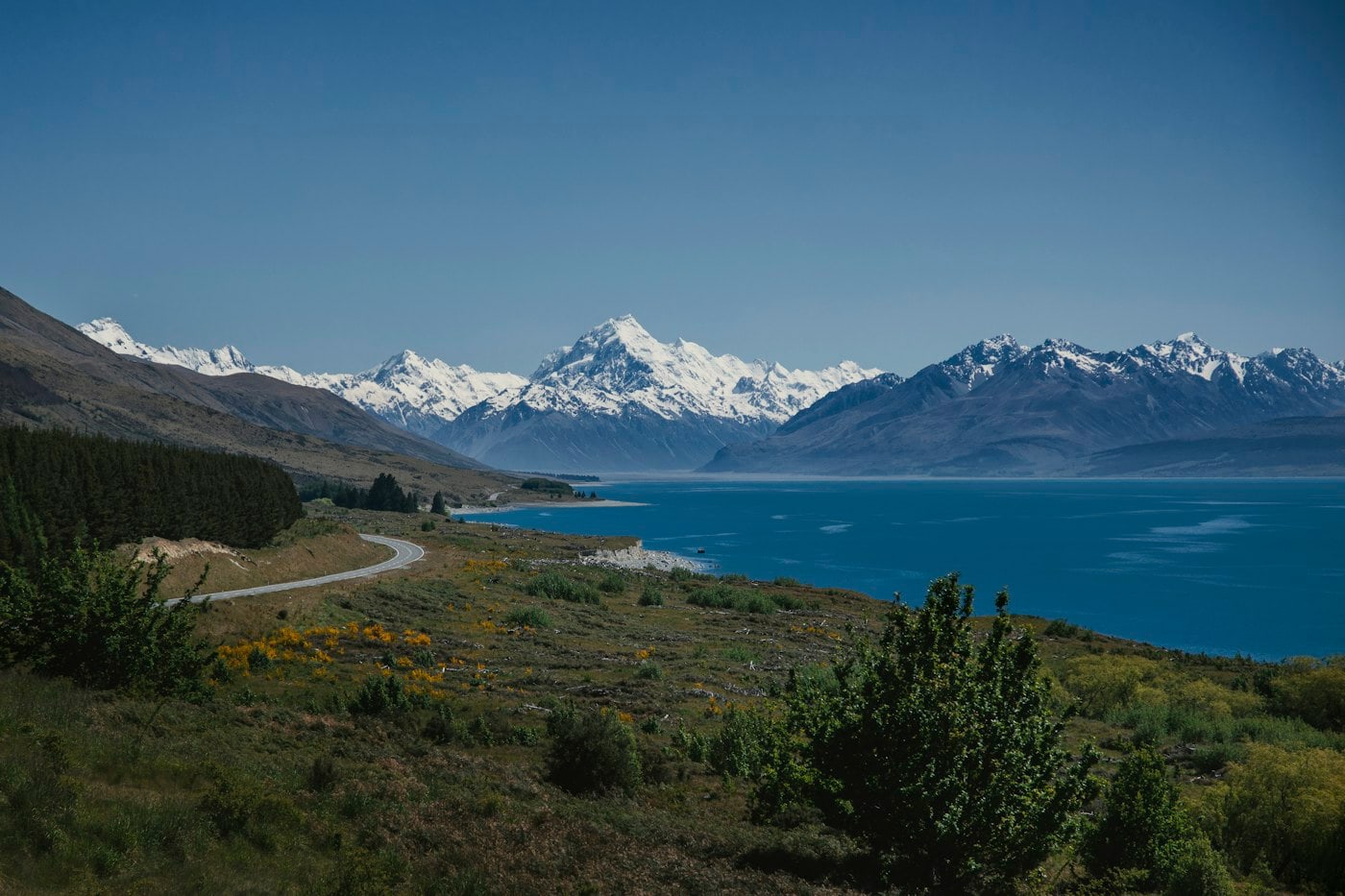
New Zealand’s South Island encourages ambitious maps. Lakes, mountain passes, coastal roads, and small settlements appear to invite one sweeping journey, yet the distances and driving conditions quickly become the real itinerary. A more rewarding trip leaves room to stop properly. Choose a limited region, stay more than one night in useful bases, and let a few walks explain the landscape. The road should connect experiences rather than consume them.
Reduce the map before booking
The South Island is large enough that an apparently tidy circuit can require long driving days. Decide which landscapes matter most and remove places that pull the route in another direction. Mountain lakes, the west coast, and the far south can each support a substantial trip. A shorter route does not mean a smaller experience; it creates time to revisit a shore, walk in changing light, and recover from an unsettled forecast.
Build the itinerary around a few practical bases and compare realistic driving time rather than judging distance by the island’s appearance on a small map.
Learn local driving expectations
Driving requires attention to current New Zealand road rules, road conditions, and the vehicle itself. Visitors should consult official guidance before setting out, especially when adjusting to unfamiliar road layouts or driving on the left. Winding roads, narrow sections, and single-lane bridges can demand more concentration than expected. Avoid planning a long first drive after a tiring journey. The passenger’s enjoyment of the view should not distract the driver.
Use designated stopping places, allow other traffic to pass where safe and lawful, and keep the first driving day conservative.
Choose a lake as a temporary home
A base near a lake can turn a road trip into a sequence of walks rather than a continuous transfer. Wānaka and the wider Queenstown area are examples of places with different settings and visitor patterns, but the right choice depends on the route. A familiar shore provides an easy outing on arrival or a changeable-weather day. Check public access and any shared-path rules before setting out.
Choose accommodation for its practical walking and driving connections, and leave one morning without a distant destination.
Treat mountain walks as independent plans
A mountain landscape viewed from a road does not make nearby trails casual extensions of the drive. Route length, elevation, exposure, river crossings, and weather require separate assessment. Use current Department of Conservation information where relevant and select a walk appropriate to the group. A short signed nature walk can be more suitable than a famous track whose demands exceed the available time. Turnarounds should be decided before tiredness sets in.
Check track alerts and conditions and avoid letting a landmark’s popularity substitute for understanding the route.
Allow weather to change the order
The South Island’s varied terrain can bring contrasting conditions across relatively short distances. Consult current forecasts and official road advisories, and do not assume the other side of a pass will match the morning’s weather. A flexible base makes it easier to swap a longer outing for a local walk or an indoor stop. The aim is to choose a good day for an experience, not force the landscape to obey the booking sequence.
Keep an uncommitted day or half-day where possible, particularly around weather-dependent walks or major road crossings.
Make smaller settlements part of the journey
A road trip often depends on towns for fuel, food, and rest, but those stops can be experiences in their own right. Park appropriately, walk a few public streets, and choose a seated meal rather than eating every lunch in transit. Opening patterns and services vary, so plan supplies with current information. A local museum or short waterfront path can give context to an area that otherwise appears only as a name on the road sign.
Combine practical errands with one modest local activity, keeping the driving schedule loose enough to make the stop worthwhile.
Use only permitted overnight and rest options
A scenic roadside place is not automatically a legal or suitable overnight stop. Rules differ by location and land manager, and current signs and official information must guide the choice. This matters especially for travelers using campervans. Choose established facilities that match the vehicle and your needs, manage waste properly, and avoid blocking access. A comfortable permitted place to stop makes the next day more enjoyable than an uncertain improvised location.
Check local requirements in advance and keep a confirmed fallback rather than searching for a place only after the day’s driving is finished.
Keep the final transfer light
The end of the trip should allow for the realities of returning a vehicle, reaching transport, and adjusting to road conditions. Do not place the longest drive immediately before a fixed departure if the route can be simplified. A final local walk gives the journey a gentler close. Looking across a lake or along a familiar street can be enough; another famous stop is optional. Leave with time to remember the places between the roads.
Stay within a manageable distance of the departure point and leave a meaningful buffer for the final journey.
Choose between lake country and a longer mountain transfer
A trip based around Queenstown and Wānaka can provide considerable variety without immediately adding every distant South Island region. Both sit beside lakes, but their street patterns, visitor activity, and surrounding connections differ. Choose the base that best fits the planned walks and driving route, then give the local shore some time. A repeated short walk can reveal more of the landscape than a single hurried arrival photograph. If traveling between the areas, consult current road information and choose the route for conditions and driving comfort rather than assuming the most scenic option is always the best practical choice.
The road toward Te Anau introduces another regional focus. Te Anau can be a practical base for exploring parts of Fiordland, but a journey farther toward Milford Sound is a substantial travel decision, not a small extension to a lake walk. Current road conditions, weather, parking or tour arrangements, and the full return must be checked. A famous destination should not erase the time required to reach it. If that journey is central to the trip, allocate it proper space and reduce another part of the route. If it is not, a local Fiordland outing may provide a better balance.
At the northern end of the island, Nelson Lakes National Park offers a different lake-and-forest setting around lakes such as Rotoiti and Rotoroa. It belongs to another itinerary shape and should not be casually inserted into a southern route. Department of Conservation information provides the appropriate starting point for selecting walks and checking alerts. These examples illustrate the central road-trip choice: depth within a region or a much larger circuit. Either can work when time and conditions support it, but the map should make the trade-off visible. Count the hours needed for transfers, then protect time for walking and rest. The South Island’s landscapes are too varied to be reduced to one continuous scenic drive, and a limited route can make those differences easier to understand.
Māori place names are an important part of the South Island’s geography, including Te Waipounamu for the island itself. Use the names presented by official local sources and take care with spelling when saving destinations. Familiarity grows through ordinary travel tasks: reading a sign, matching a map, or learning the name of the lake beside the accommodation. There is no need to invent a cultural interpretation from a brief visit. Where a site offers official interpretation, give it time and follow its guidance. A road trip becomes more grounded when the landscape is understood through its real names rather than only through a sequence of scenic labels.
Plan the hours between the highlights
A road-trip itinerary often lists overnight towns and major attractions while leaving the intervening hours vague. Those hours determine whether the trip feels relaxed. Before each driving day, identify a suitable rest stop, a realistic meal option, and the approximate point at which you want to arrive. Leave room for road conditions and do not make every stop dependent on a particular business being open. A useful plan also says what can be omitted. If the drive takes longer than expected, an optional viewpoint should be the first thing to go, not the time needed to reach the destination comfortably.
At a multi-night base, give one morning to a local walk with minimal driving. This provides a different relationship to the landscape: you can notice changes in light and weather without continually calculating the next departure. A lake shore, a signed local path, or a public waterfront may be enough, depending on the location and current conditions. Check the route rather than assuming proximity makes it simple. The afternoon can remain open for supplies, a museum, or a second short outing. Such a day is not a gap in the trip; it is often where the place becomes more than a series of names.
Before leaving a region, review the next major connection using current road information. Mountain routes and weather-dependent journeys deserve flexibility, and a fixed booking should not become a reason to drive in unsuitable conditions. Keep a sensible alternative and communicate changes directly to any relevant provider. The final approach to the departure point should be deliberately modest. Returning a vehicle, organizing luggage, and reaching onward transport all require time that should not be borrowed from the driving margin. A smaller South Island route can still feel expansive when there is time to walk, stop, and recognize the landscape. The distance covered is less important than the amount of the journey you were able to experience outside the car.