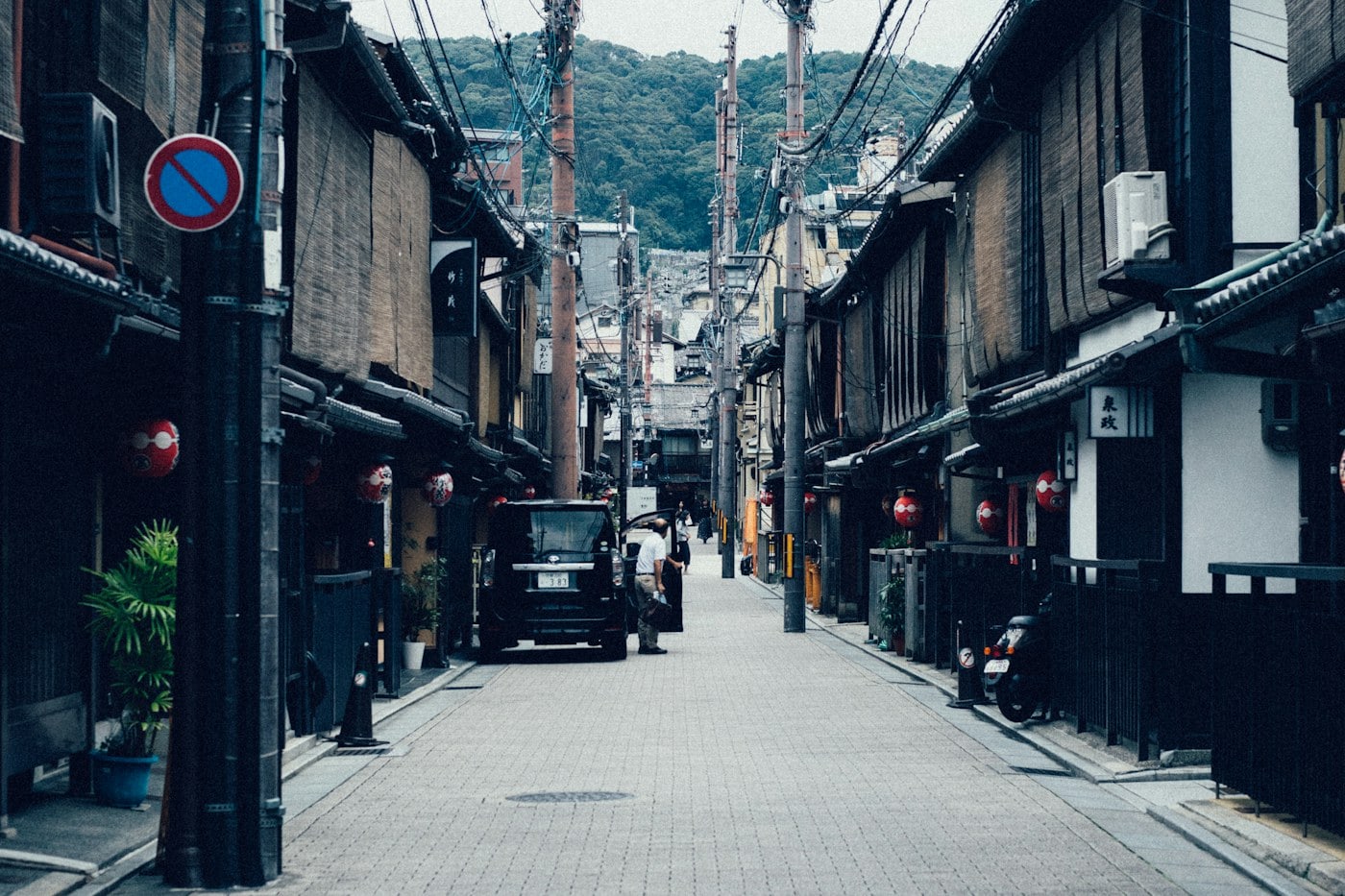
Kyoto, Japan
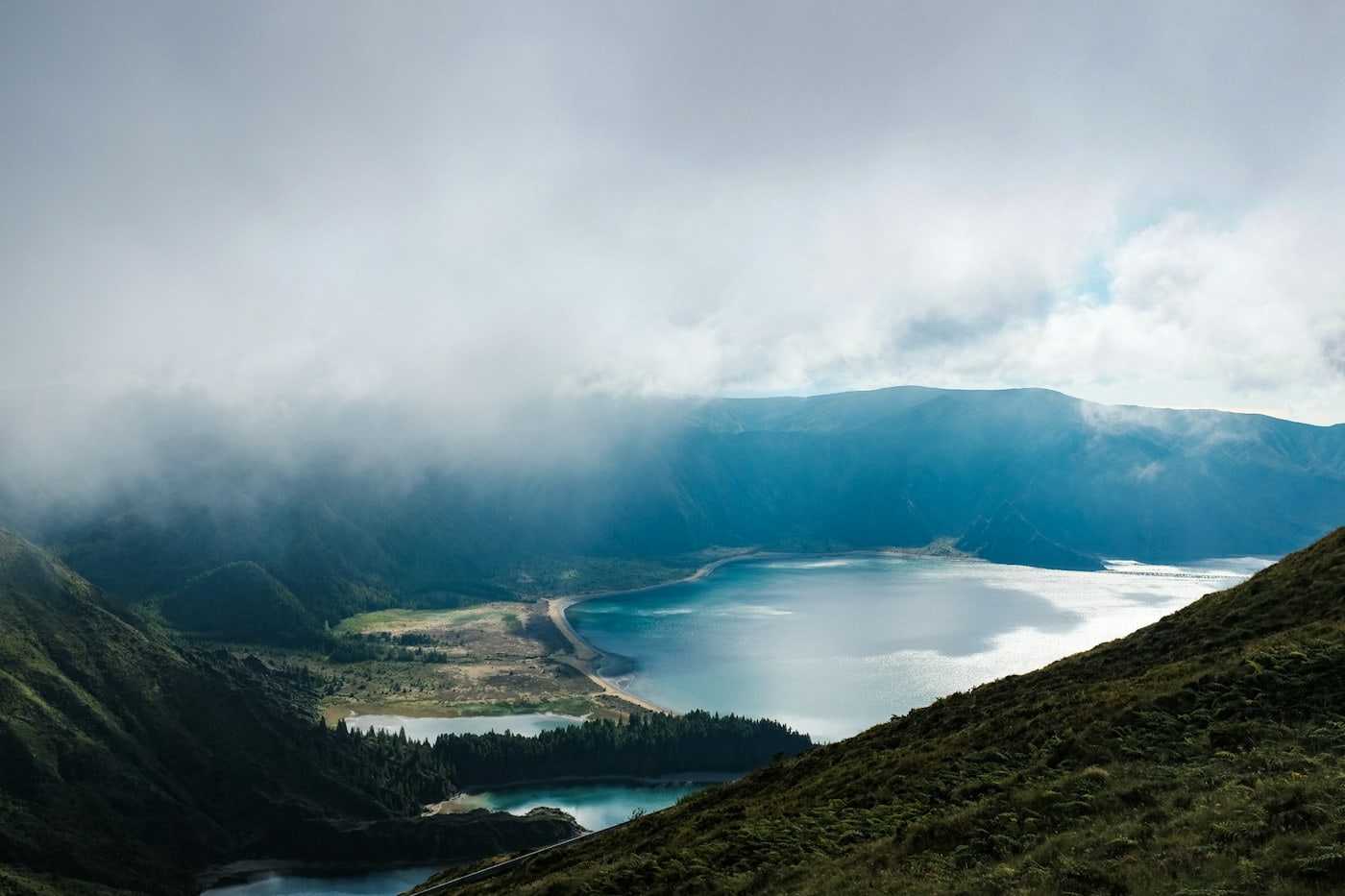
A different kind of itinerary
Let the journey
be the destination.
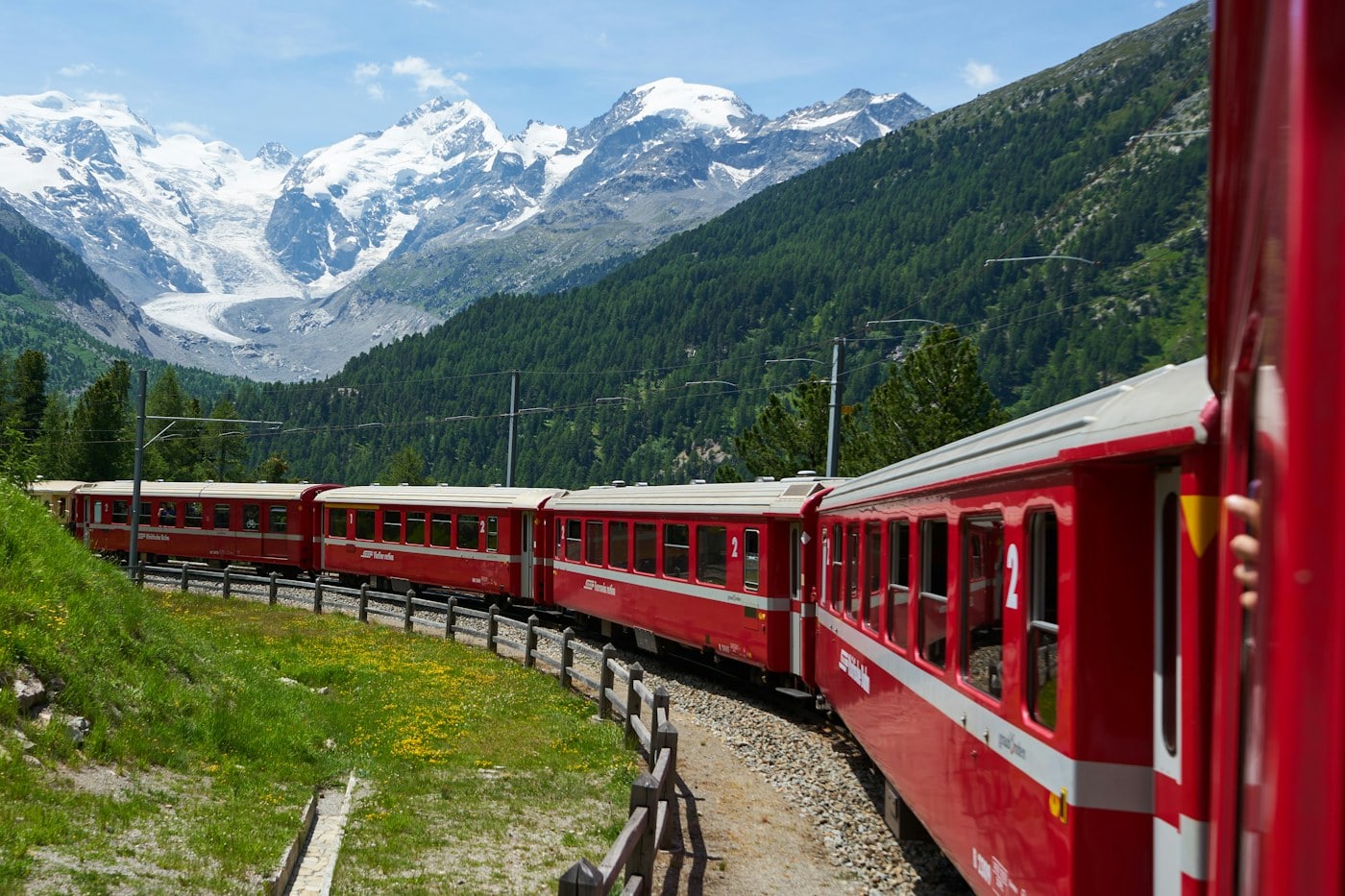
A window seat, a mountain lake and no need to rush. Explore Switzerland with enough time to get off the train.
Take the slow train ↗Places with a story. Journeys with a little breathing room. Discover a more thoughtful way to see the world.
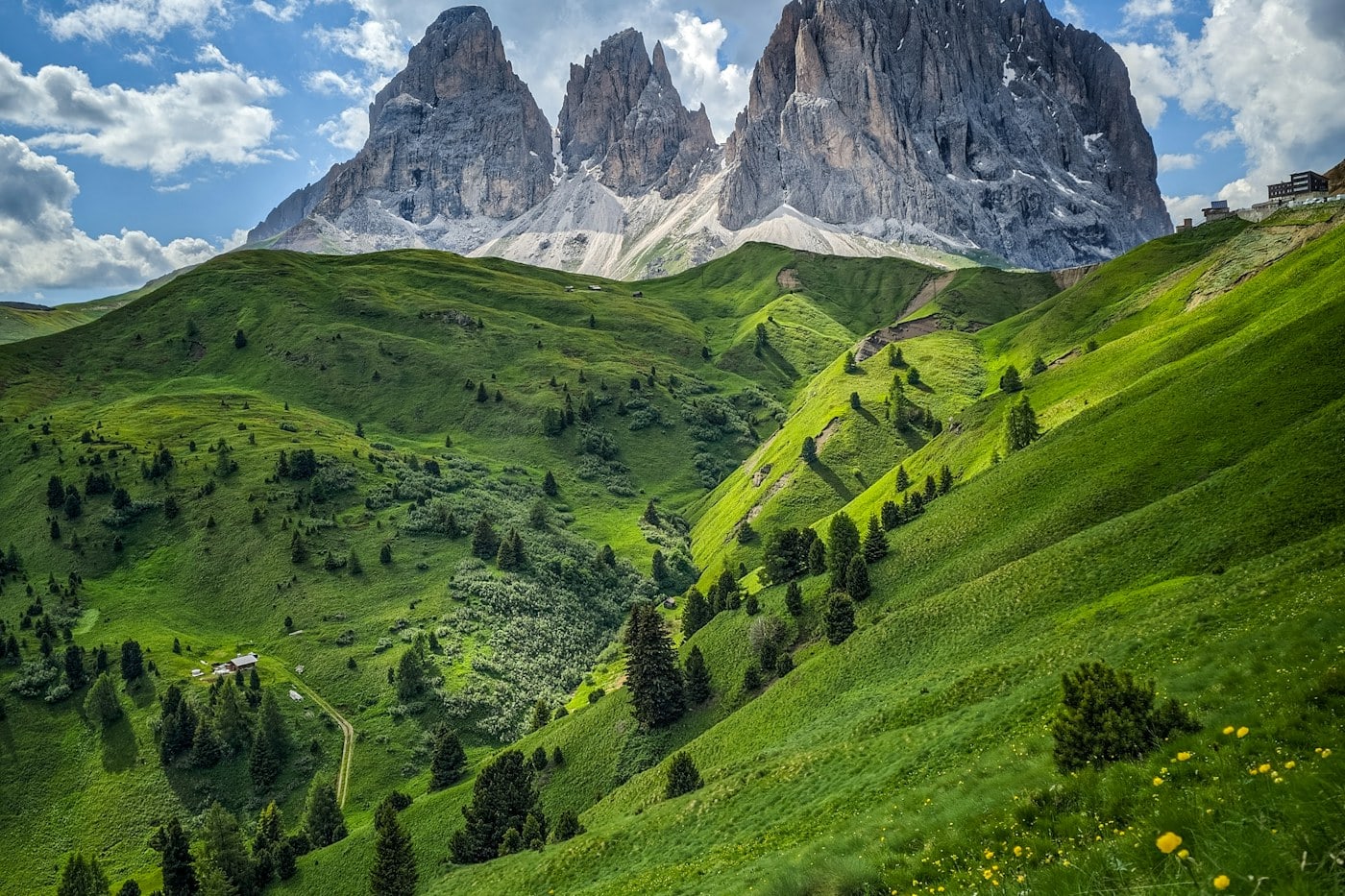
High paths, quiet valleys and the art of leaving room in the day.
Explore the story ↗Good travel leaves room for a side street, a longer lunch and a change of plan. These stories are an invitation to pay attention.
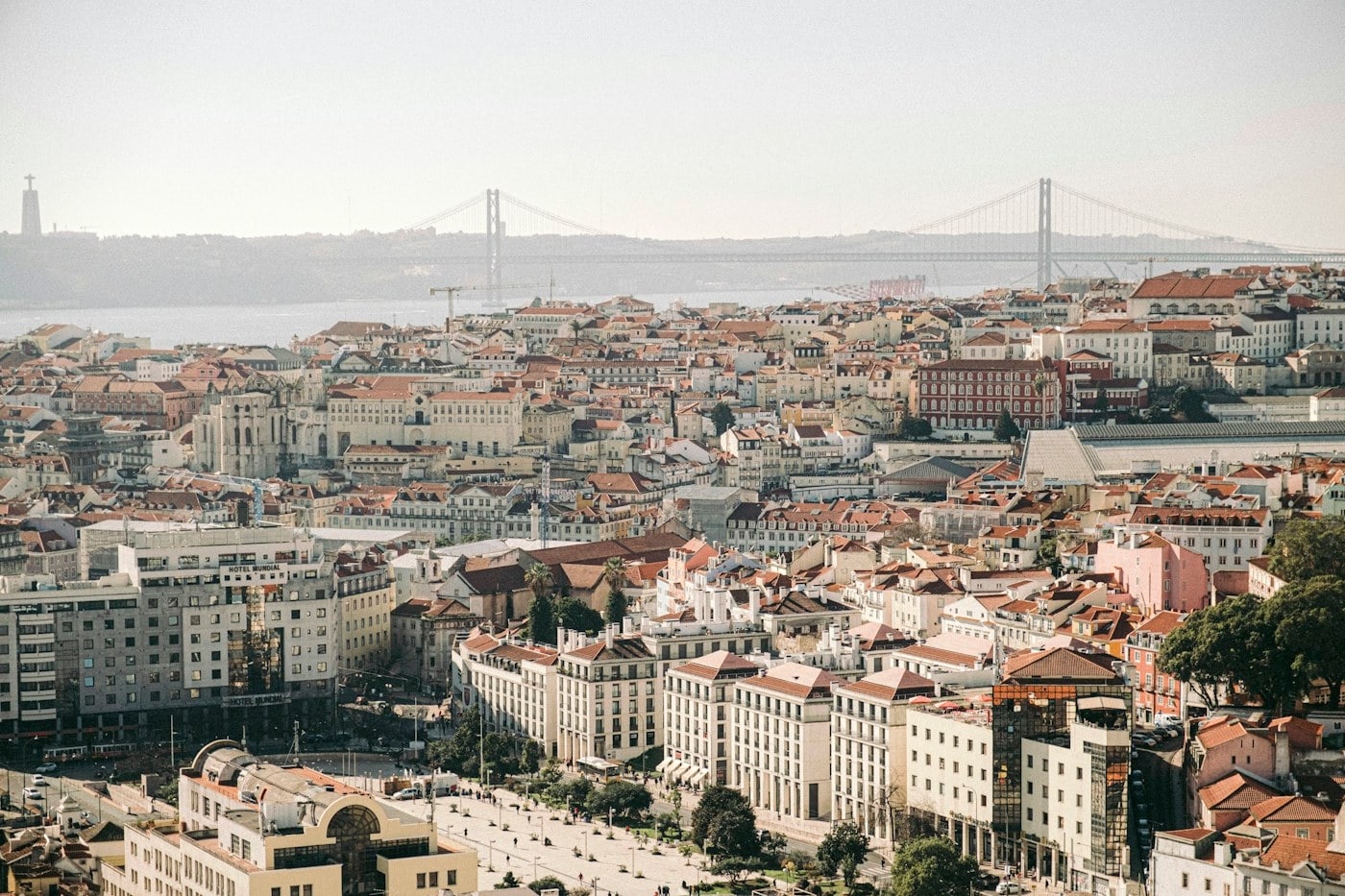
Lisbon is easier to enjoy when its hills become part of the plan instead of a surprise. The city turns toward the Tagus in terraces, stairways, tiled facades, and streets that seem to change direction just as a view appears.
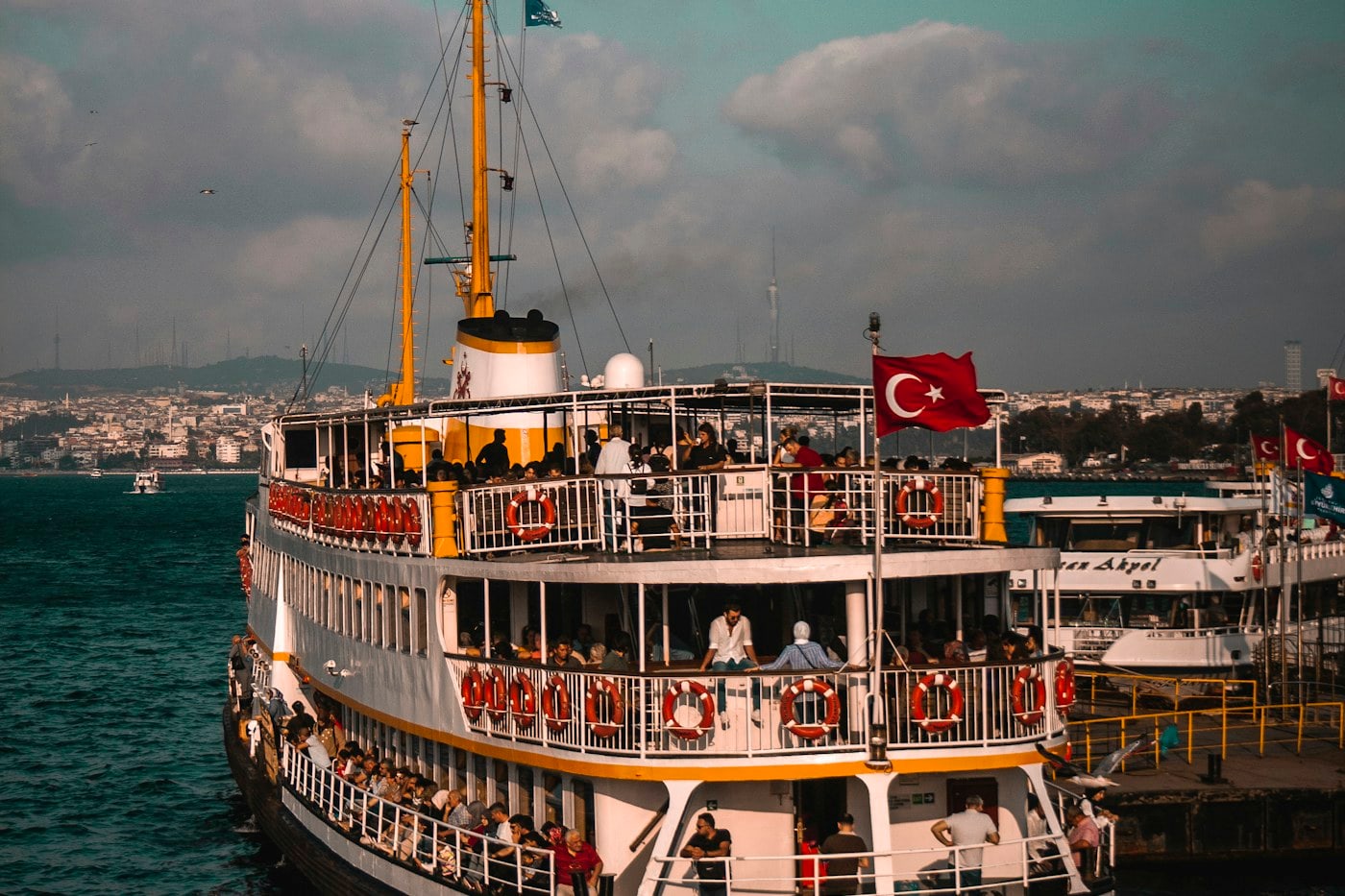
Istanbul’s ferries give a journey room to breathe. They connect working districts across water that is also a busy transport corridor, offering a different sense of distance from the roads and rail lines.
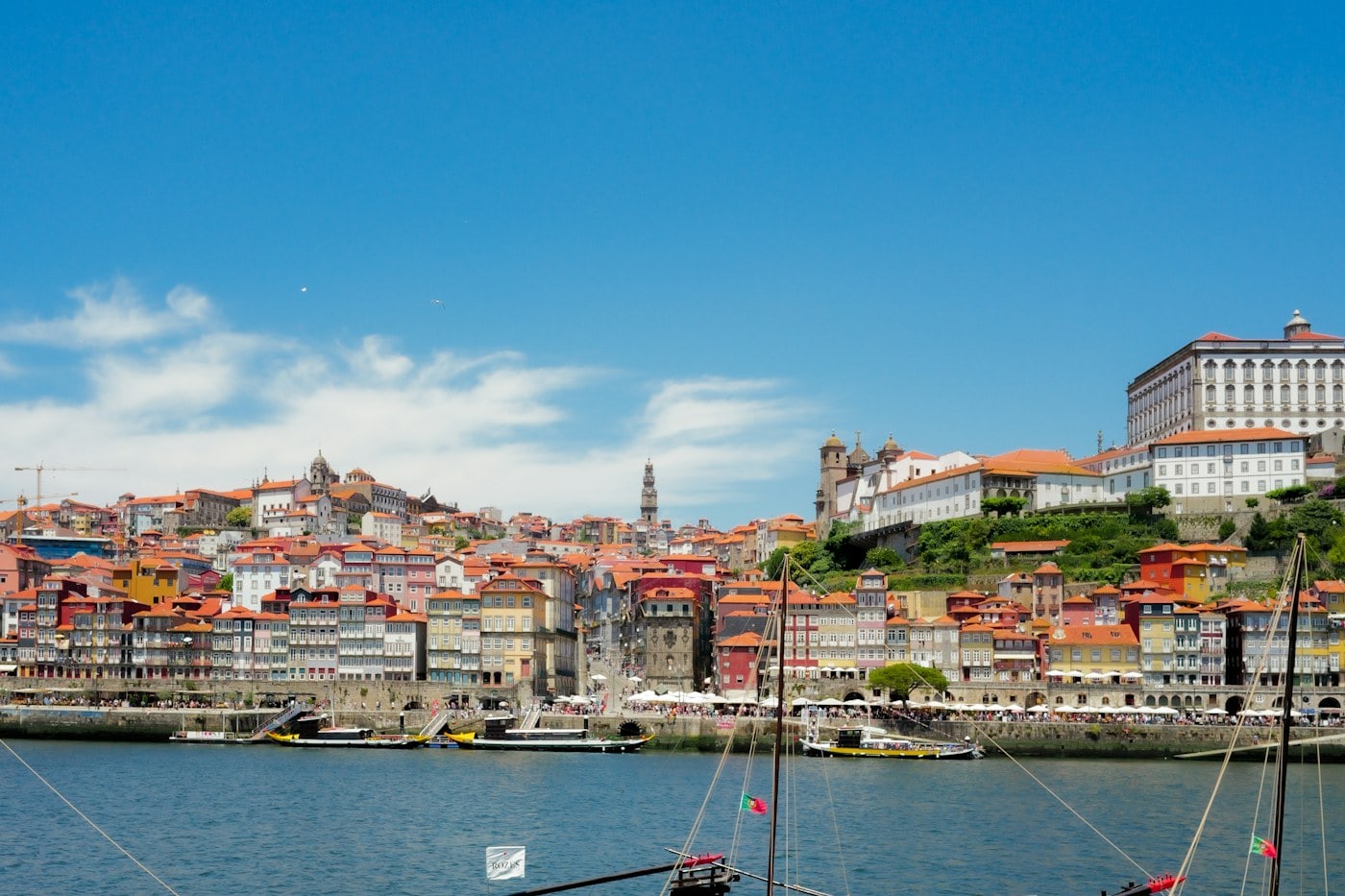
Porto’s riverfront is the scene many visitors know first, but the city’s character depends just as much on the steep streets above it. A good walk connects those levels without turning every climb into a challenge.
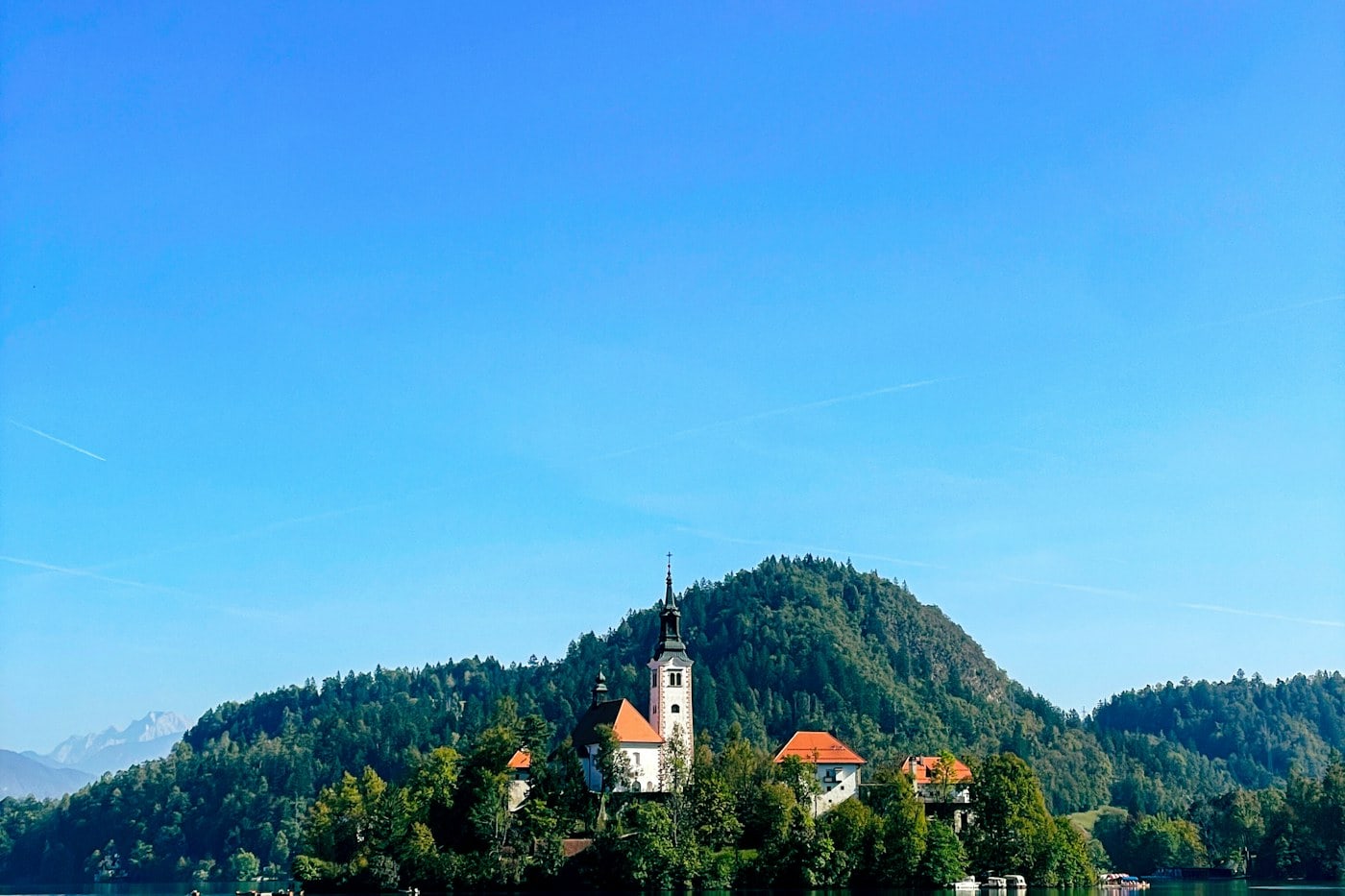
Slovenia’s lake landscapes invite a simple kind of travel: walk beside water, climb a little for a different view, then spend an unhurried hour in a nearby settlement. The challenge is keeping that simplicity when several famous places appear close together on a map.
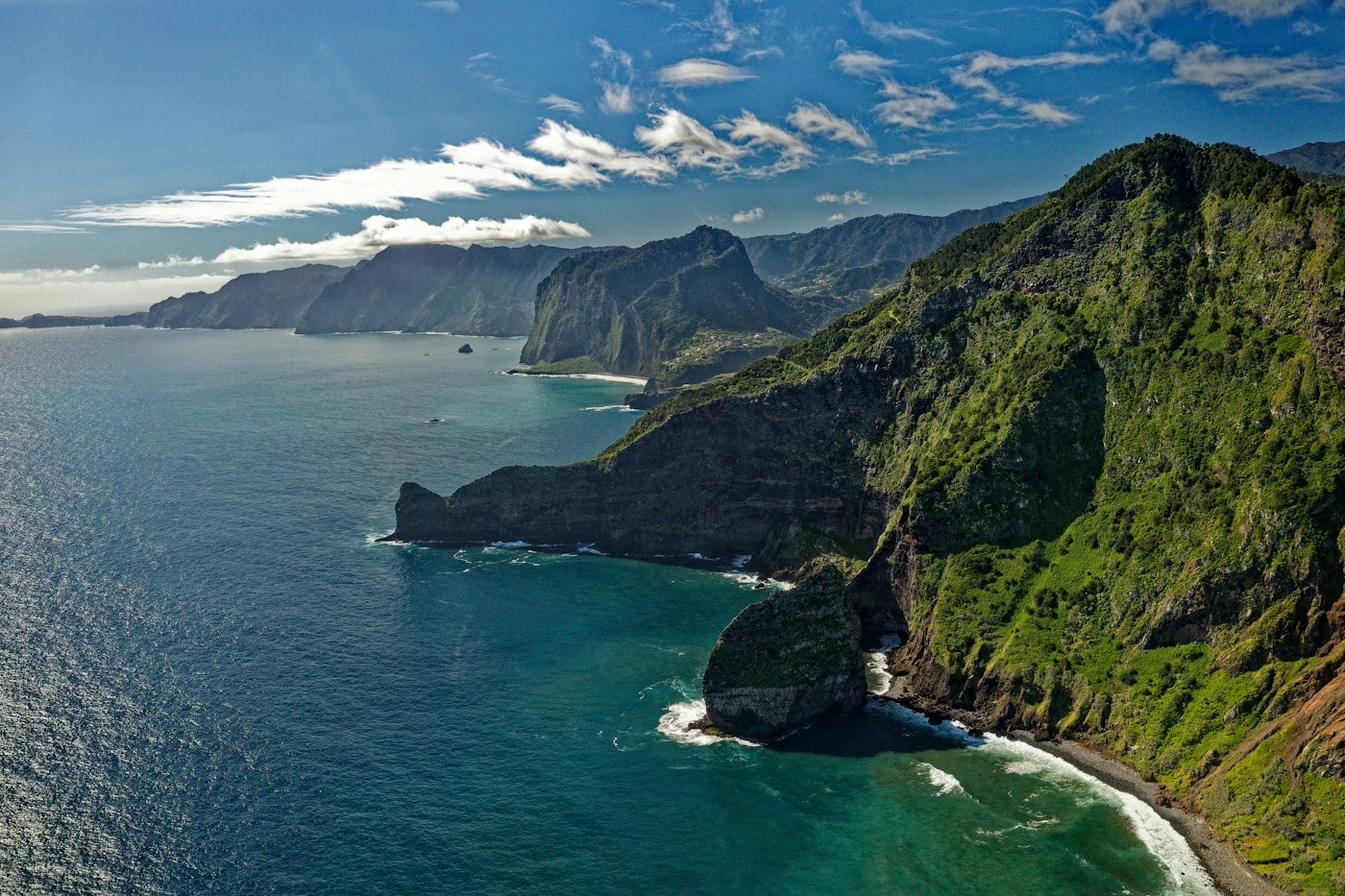
Madeira’s levadas reveal a landscape shaped by the movement of water. Channels run beside paths through cultivated slopes and forest, sometimes opening to wide views and sometimes narrowing beneath trees.
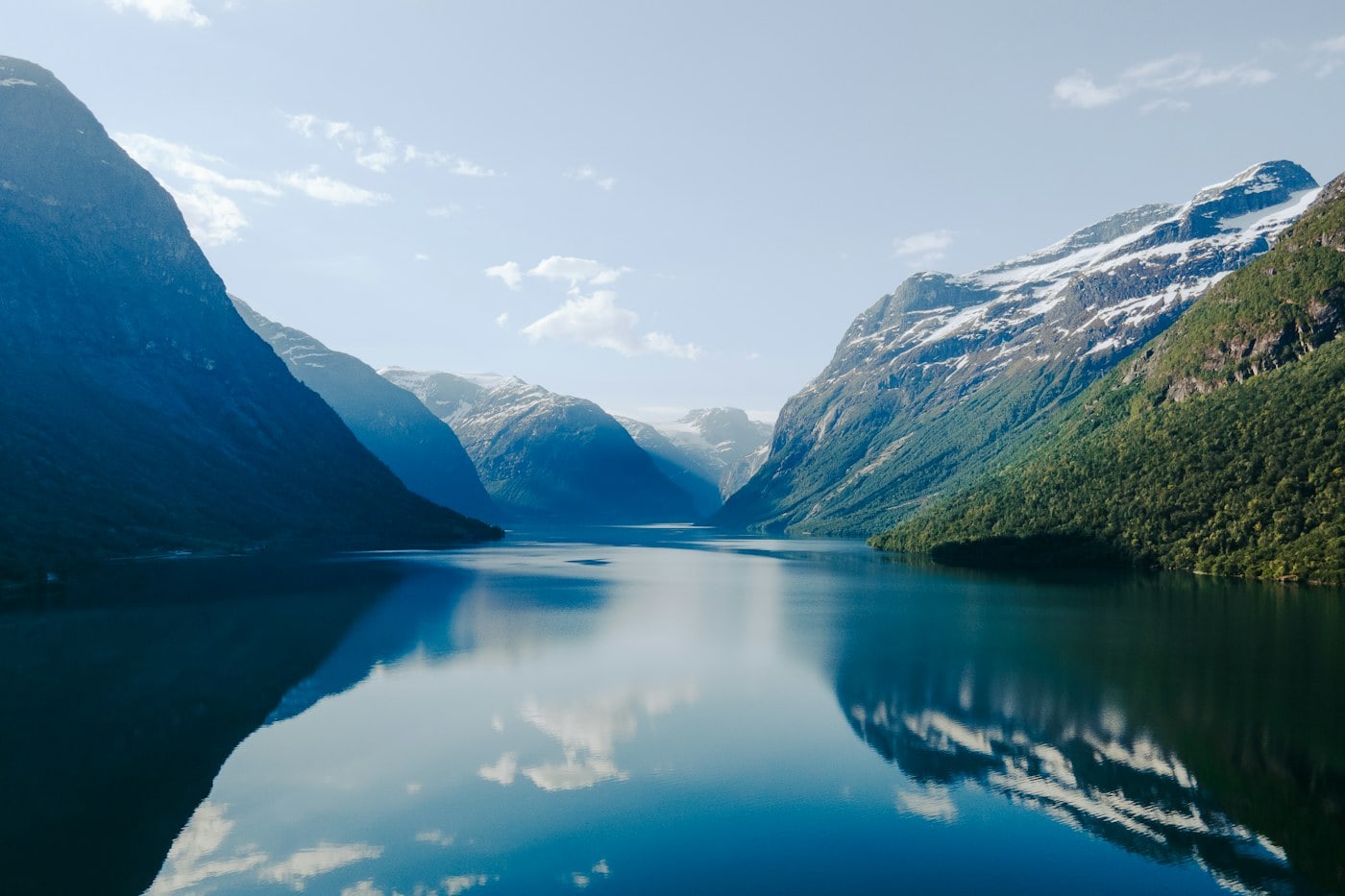
A fjord is more than the view from its highest lookout. It is also a shoreline road, an orchard above the water, a ferry crossing, and the modest path that links a village to the slope behind it.
A window seat, a mountain lake and no need to rush. Explore Switzerland with enough time to get off the train.
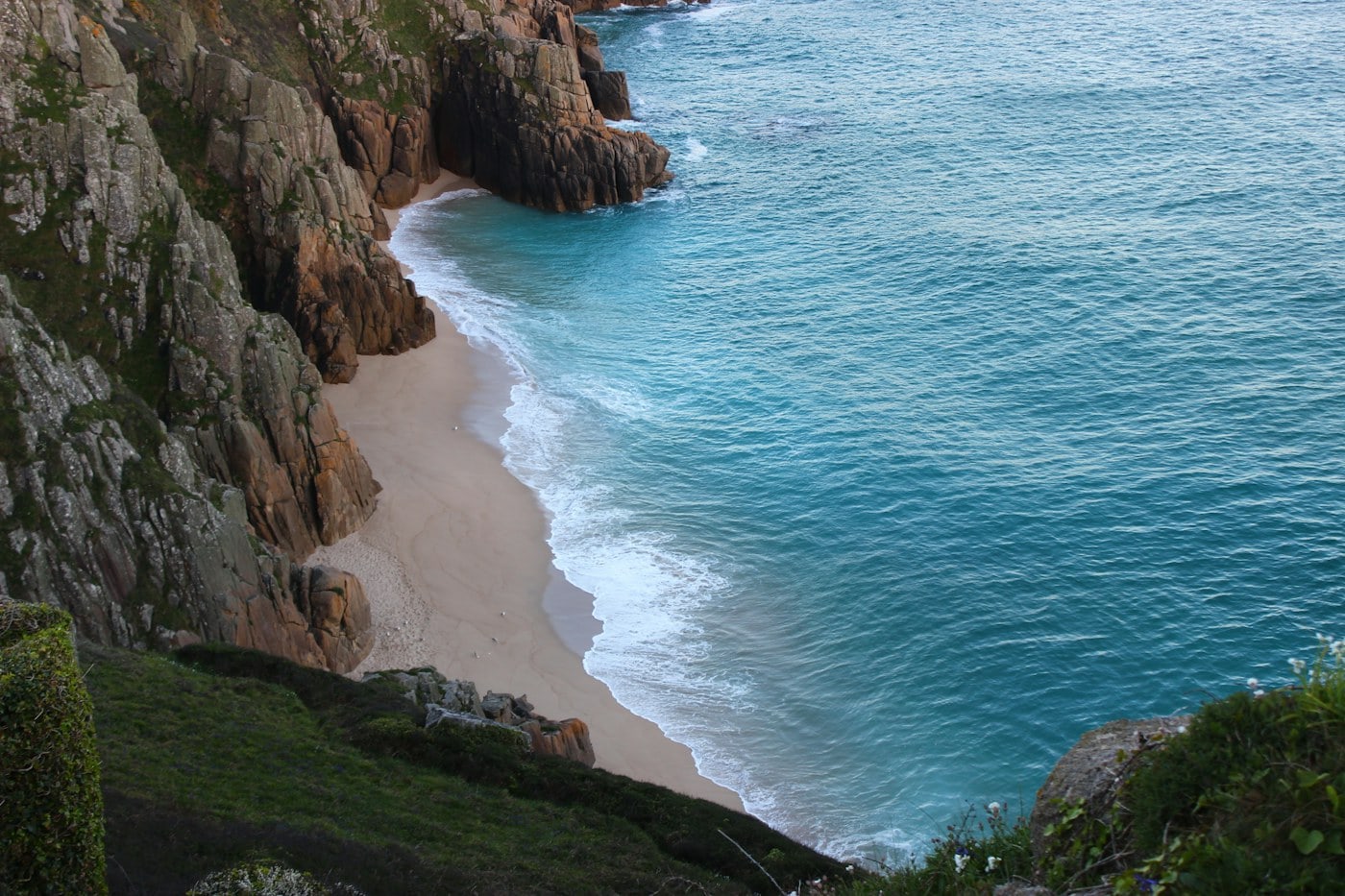
Take the slow train ↗Cornwall is often imagined as a continuous summer postcard, but its coast is a sequence of very different places. Open Atlantic headlands give way to small harbors, tidal estuaries, and villages whose streets make more sense on foot than through a car window.
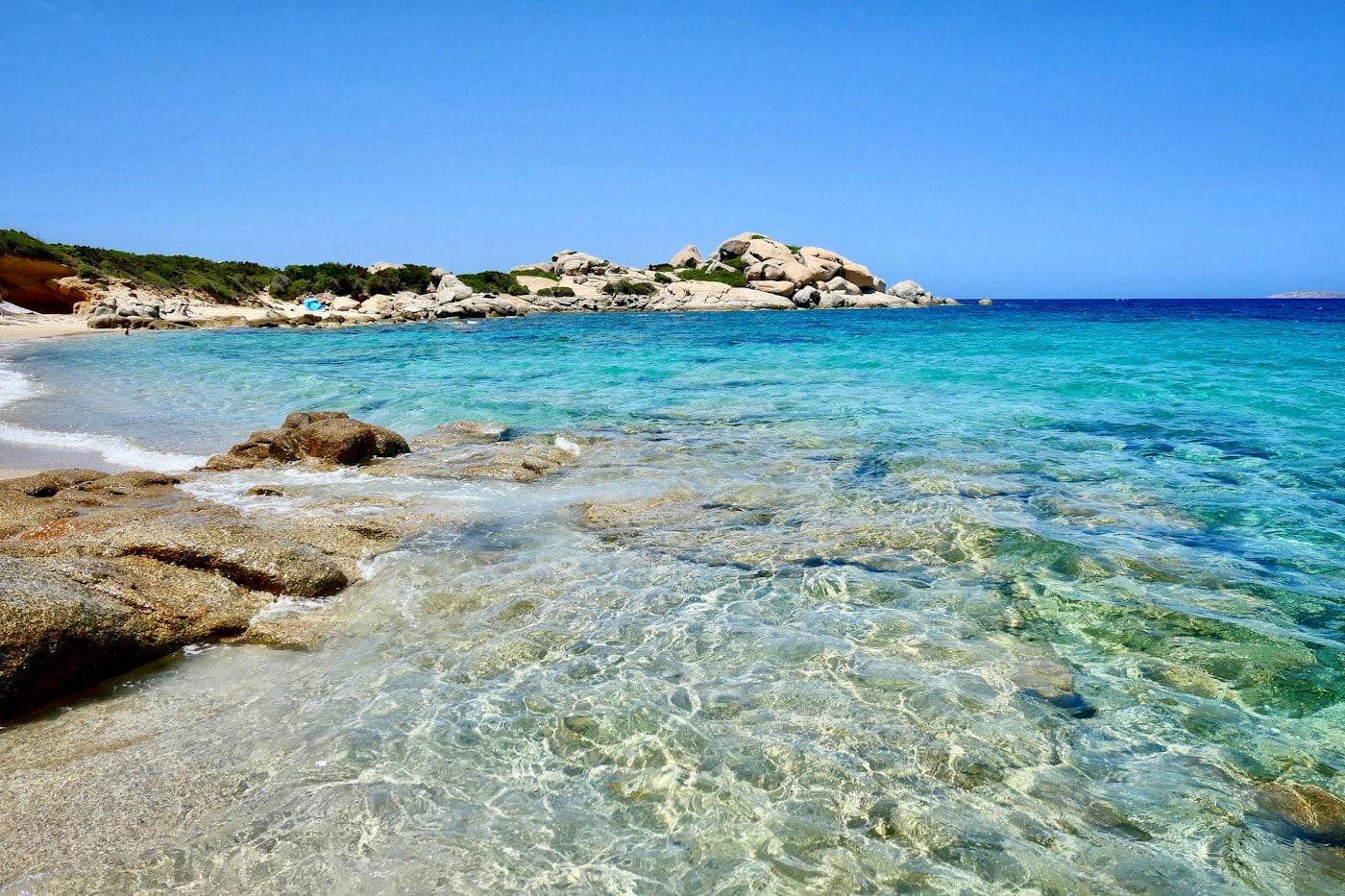
Sardinia is large enough to punish the assumption that every celebrated beach belongs in the same week. Its coasts differ in shape and character, and the roads between them can draw a visitor inland through landscapes just as interesting as the sea.
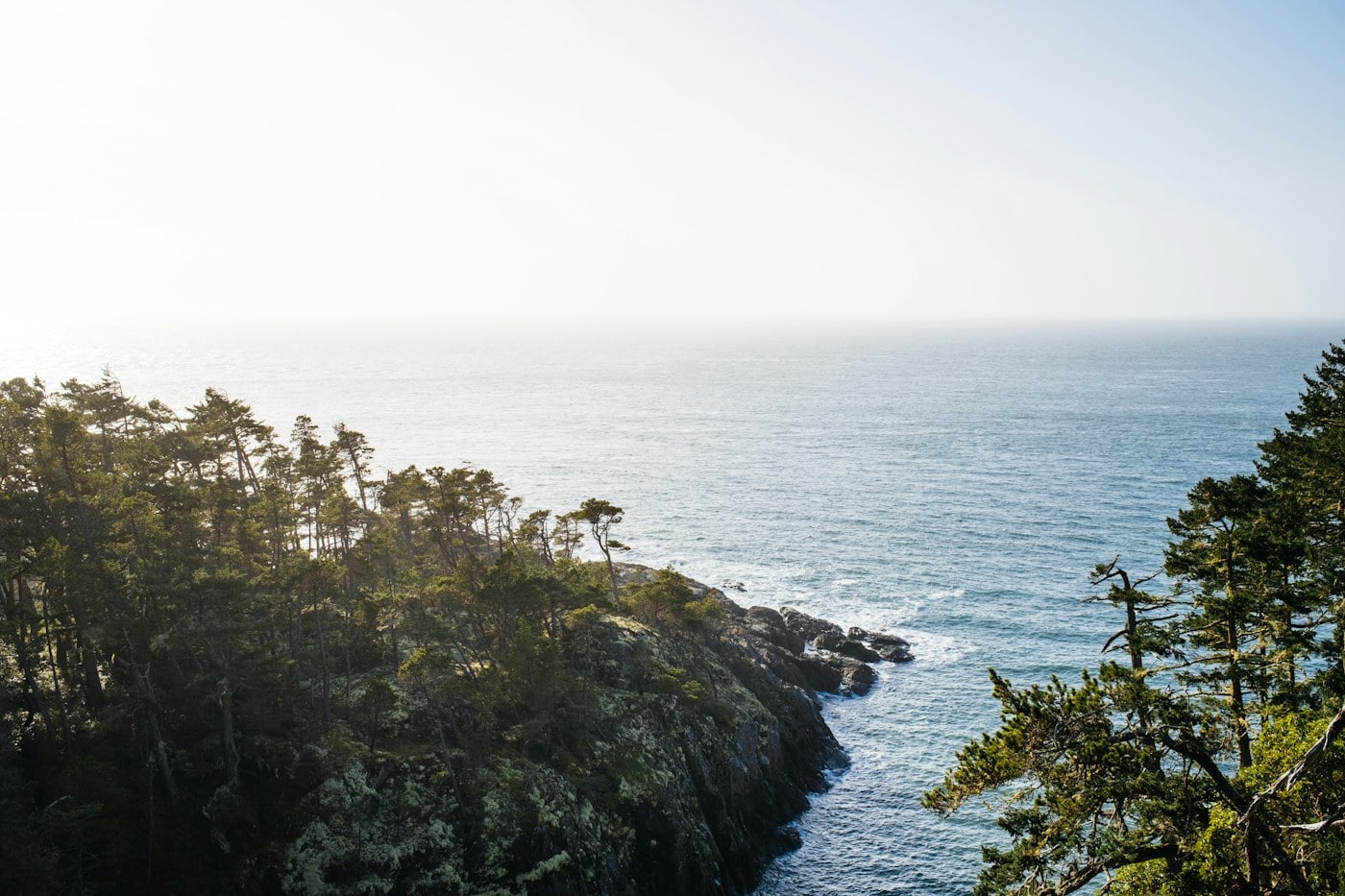
Vancouver Island is far larger than a quick glance at a coastal map may suggest. Its shorelines range from urban waterfronts to exposed Pacific beaches, with forests and long roads between them.
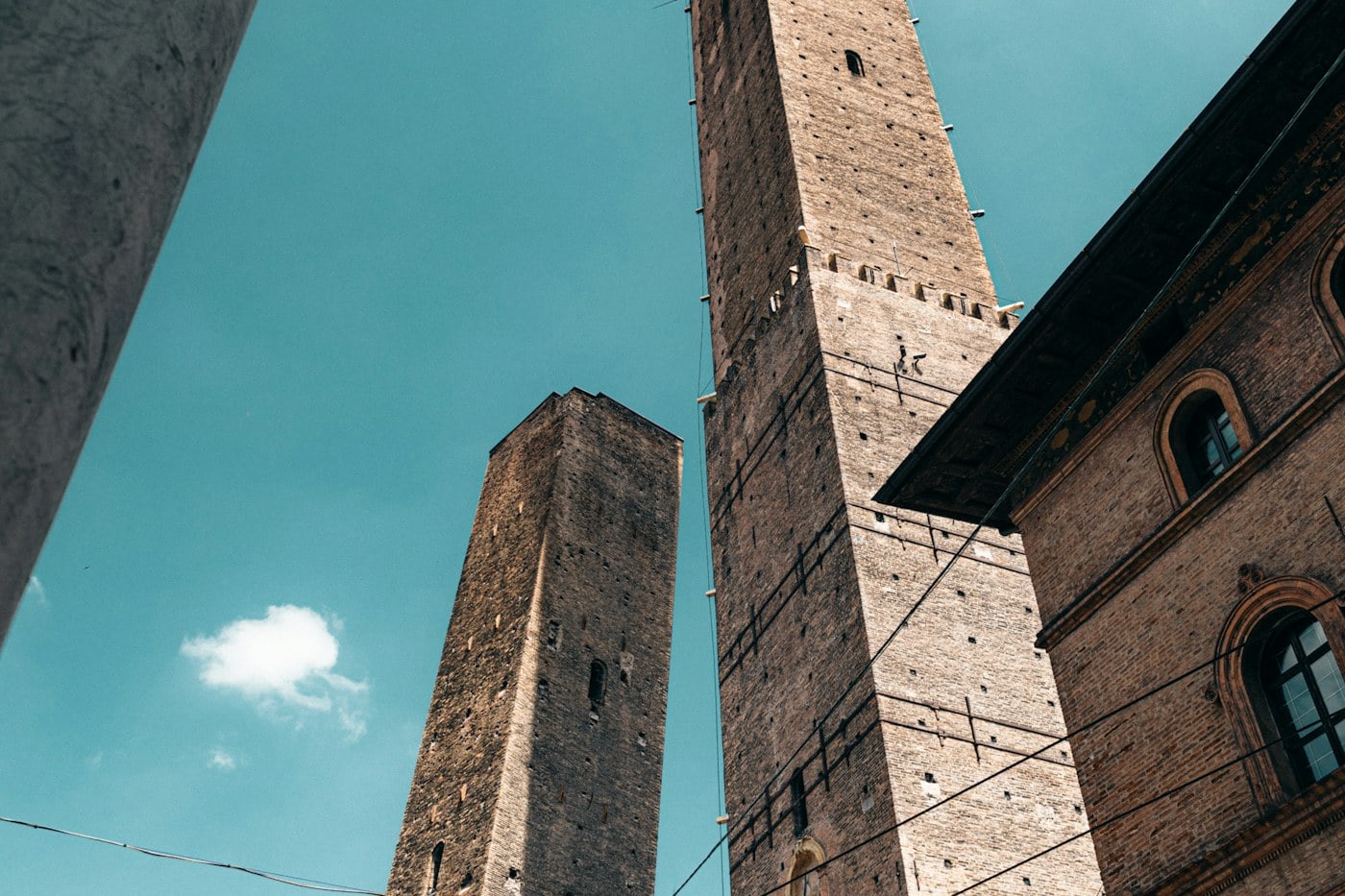
Bologna is a city where a food-focused visit can still be a walking holiday. Its porticoes connect streets, markets, and residential neighborhoods, while meals provide a natural rhythm rather than a sequence of appointments.
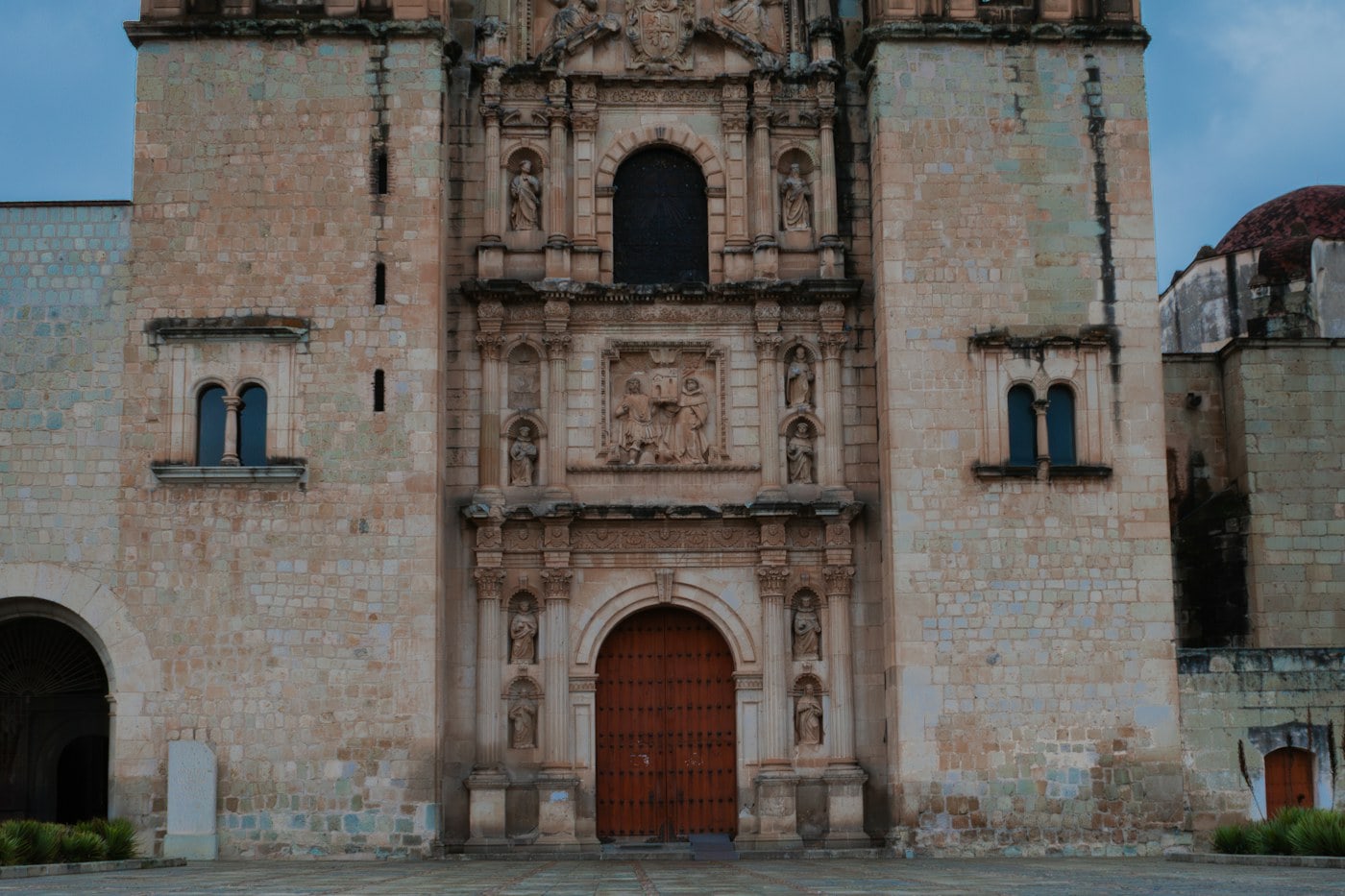
Oaxaca invites a visit that connects what is eaten with what is made. Markets, kitchens, textiles, ceramics, and carved objects belong to living networks of work and tradition.
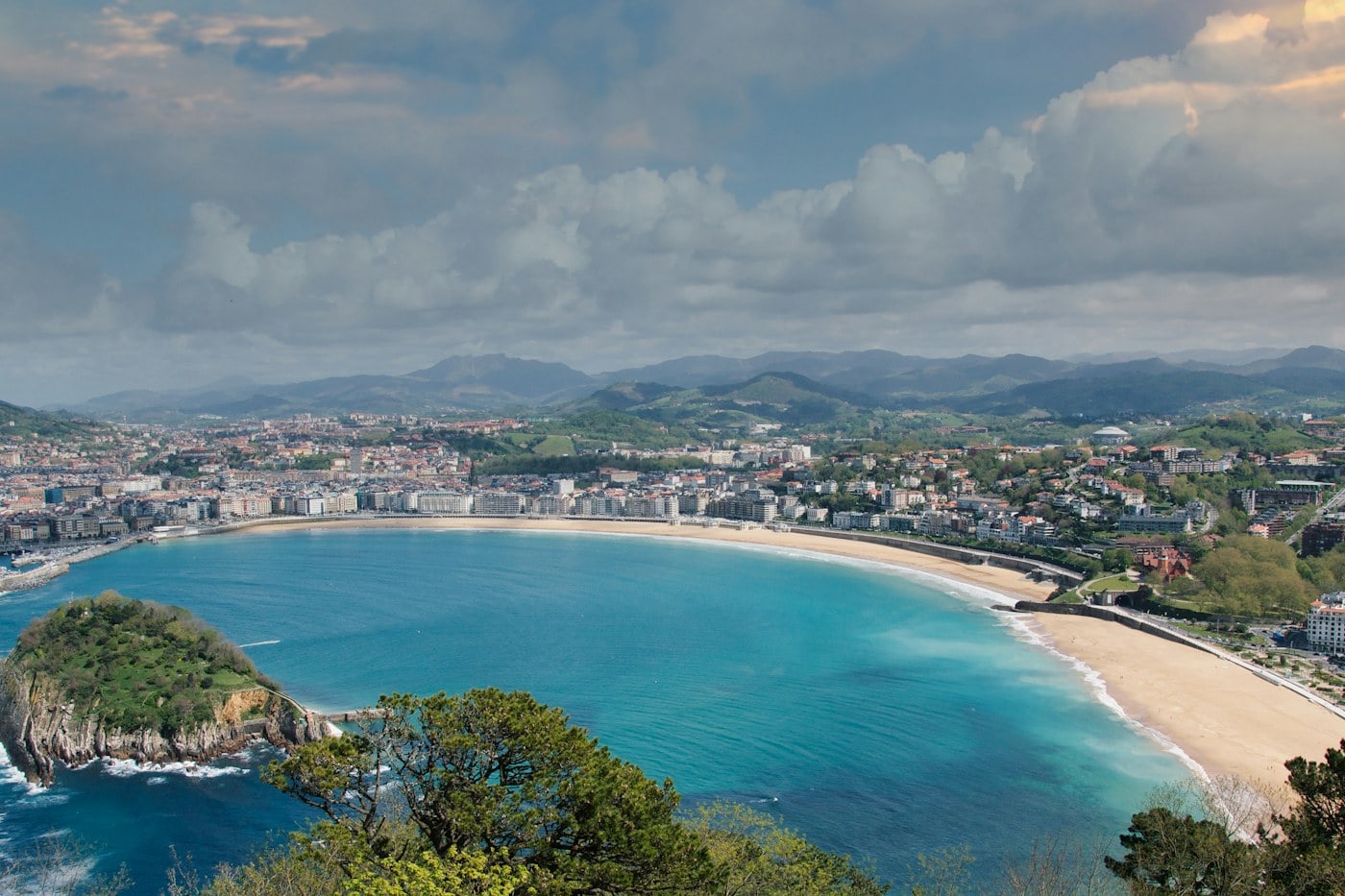
A measured route through the Basque city’s counters, beaches and neighborhood streets, with room to enjoy each stop.
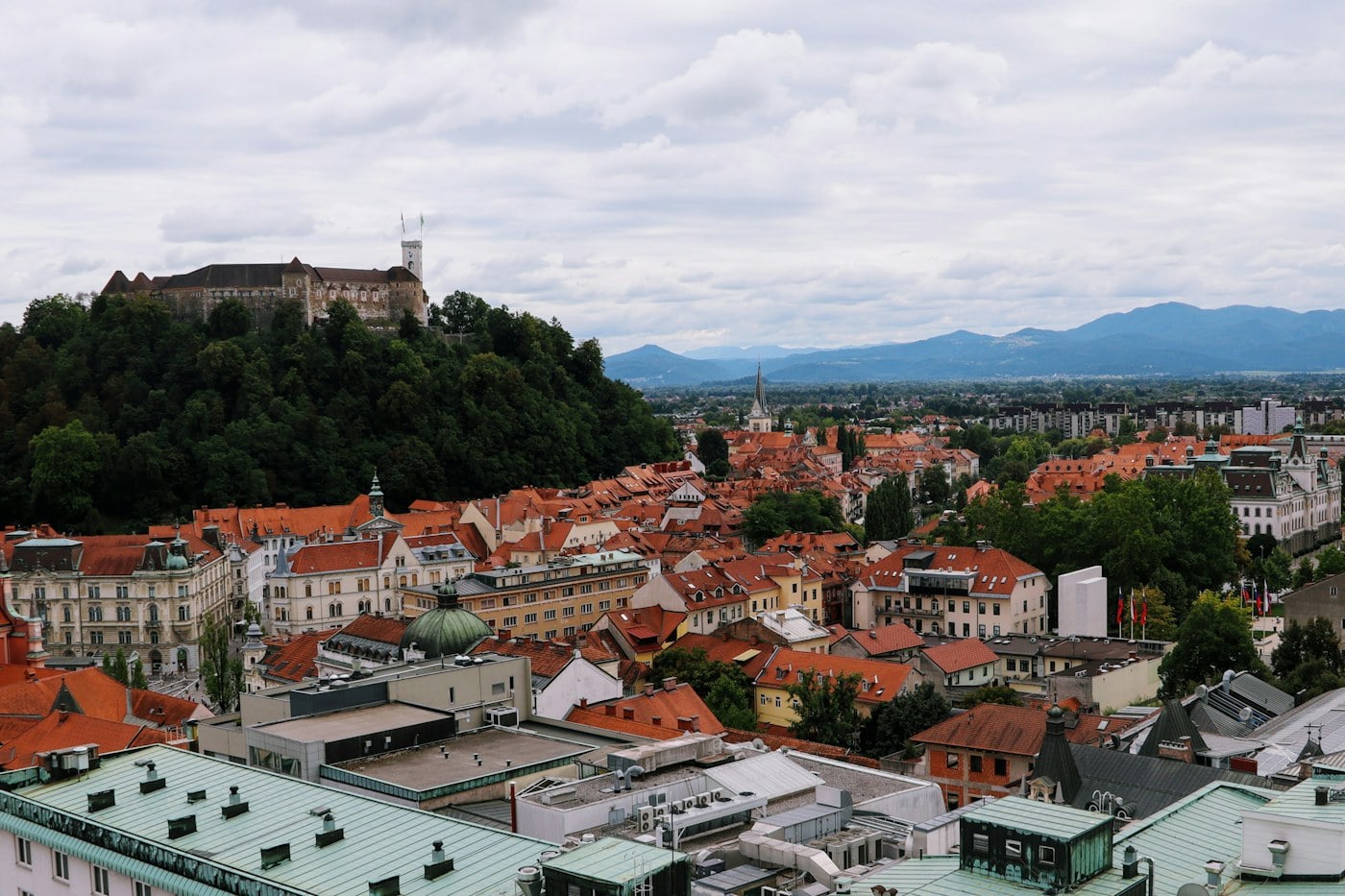
Follow the river, climb for a view and give Slovenia’s compact capital the time usually reserved for a larger city.
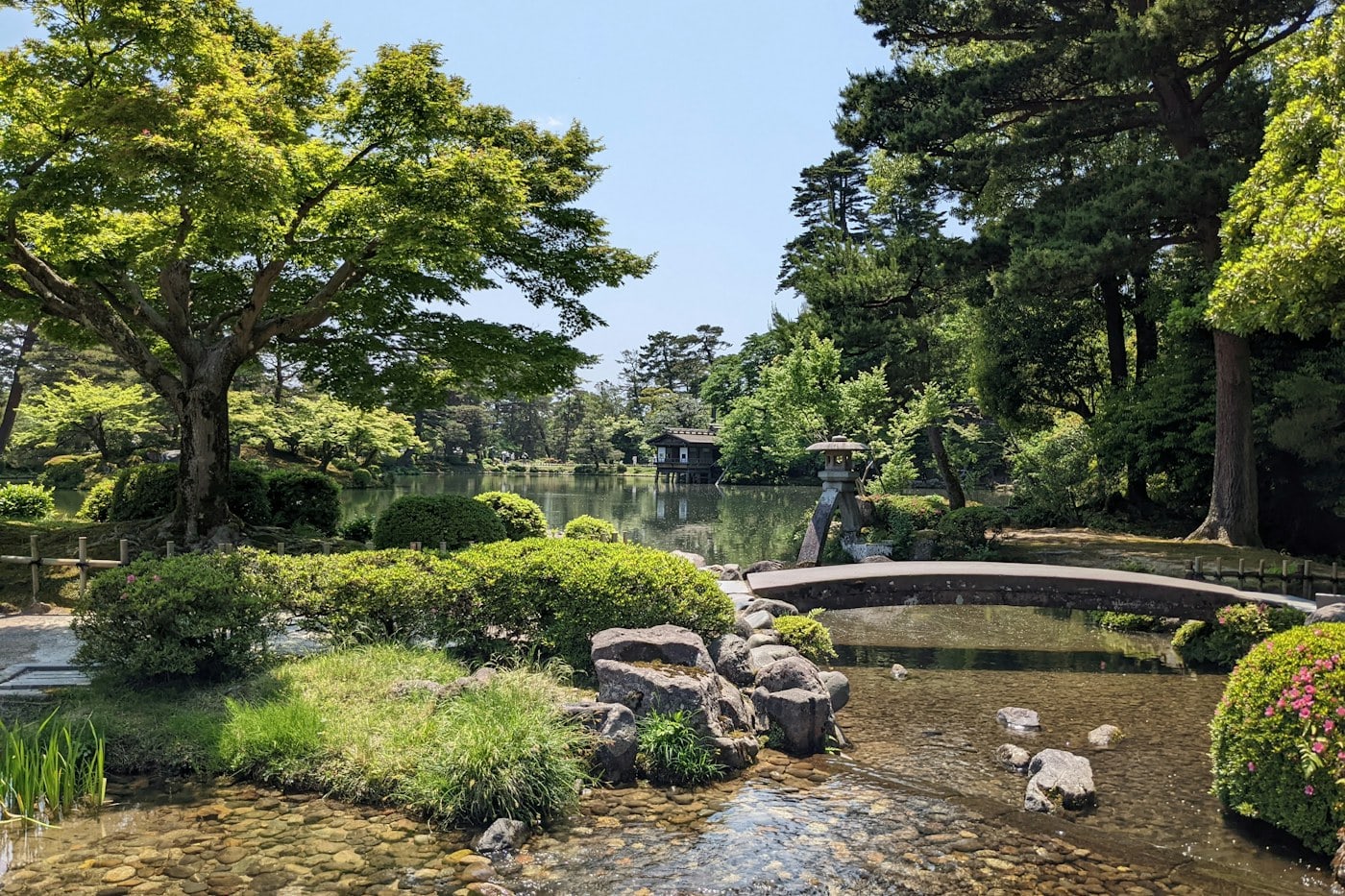
Give the garden city several days, with time for craft traditions and neighborhoods beyond a single famous view.
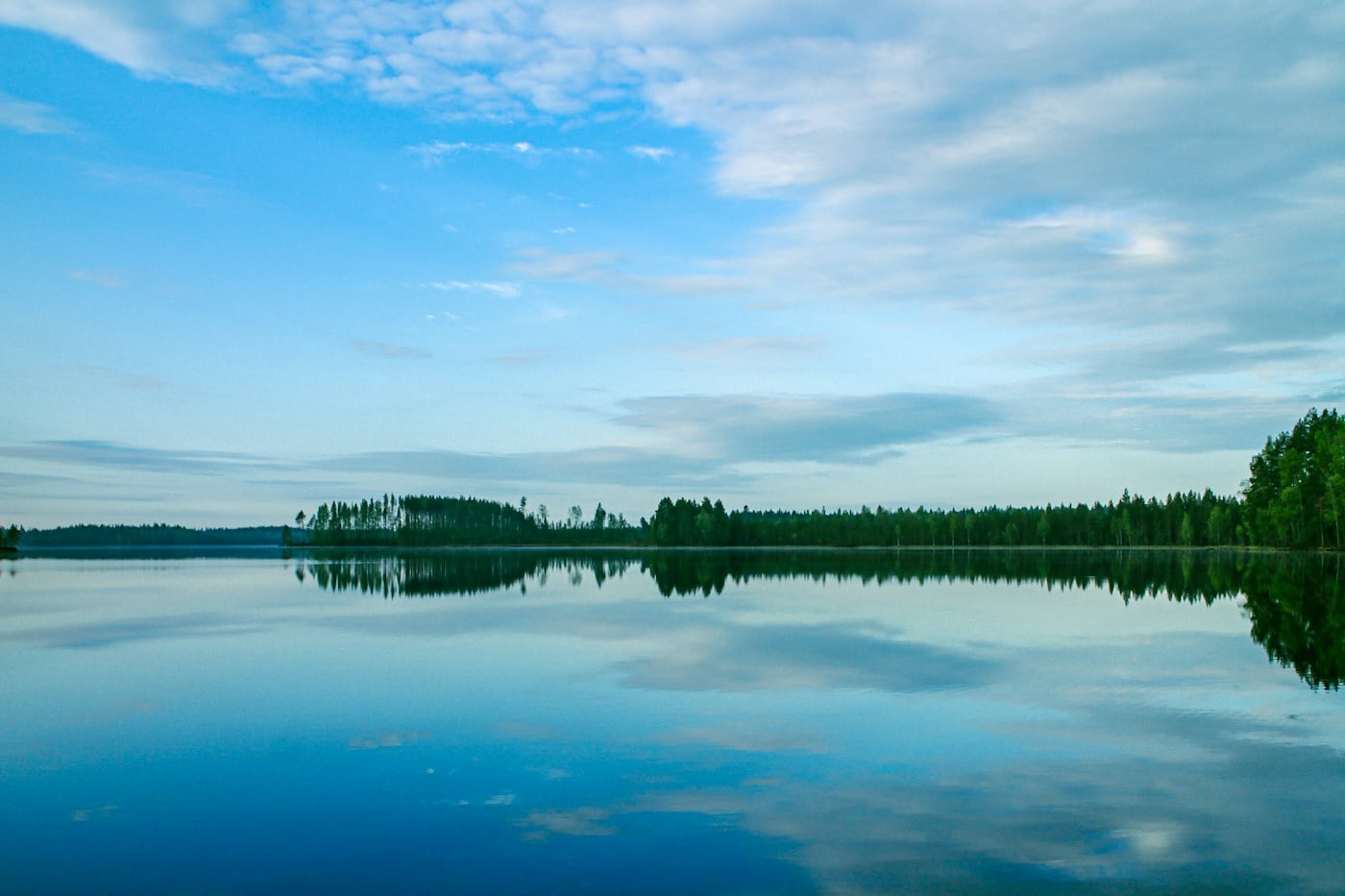
Plan for simple days of water, woods and self-catering, with enough practical preparation to make doing less feel easy.
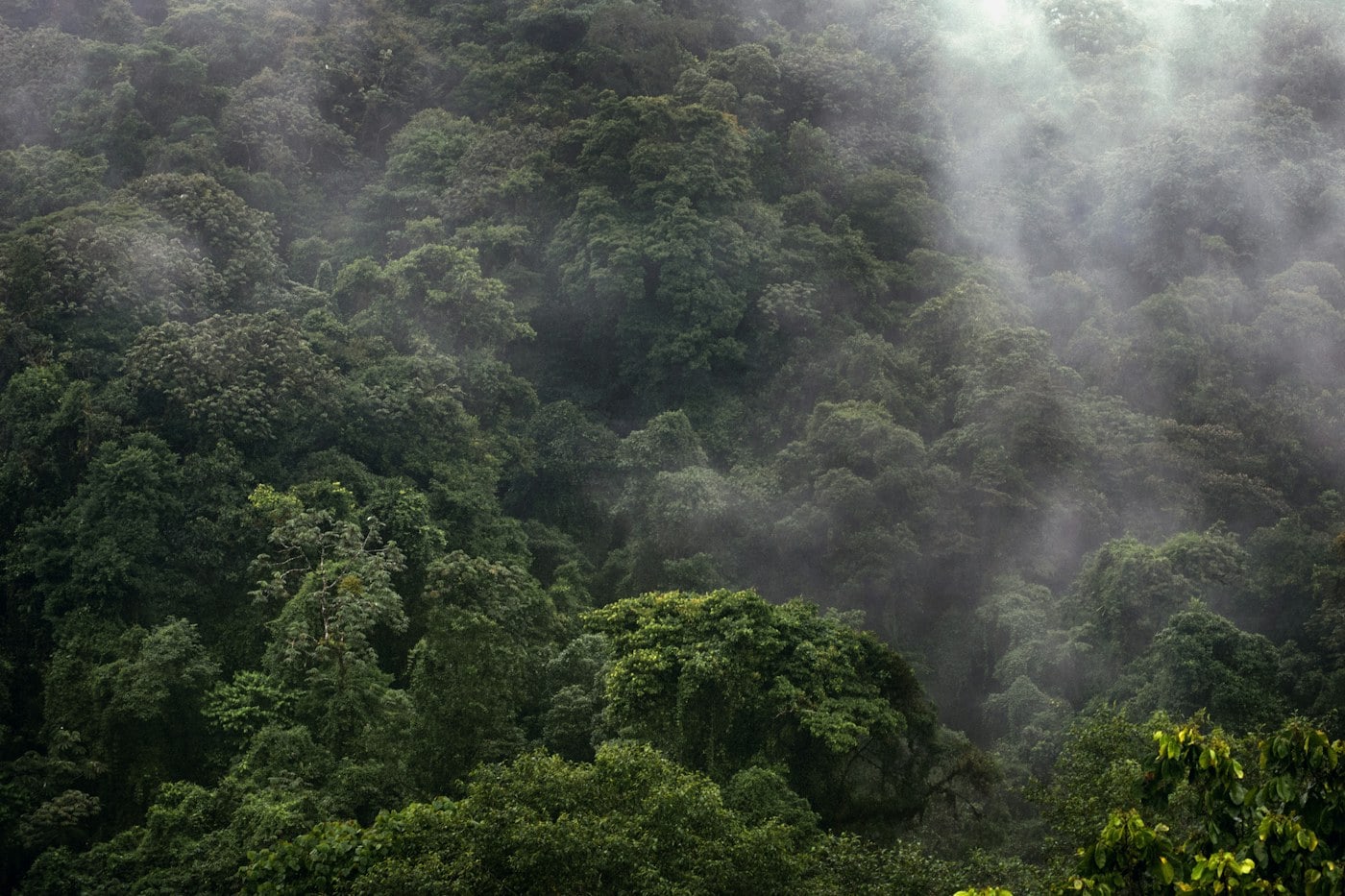
A cloud forest is not a place that needs to reveal everything at once. Moisture gathers on leaves, branches carry layers of plant life, and movement can be easier to hear than to see.
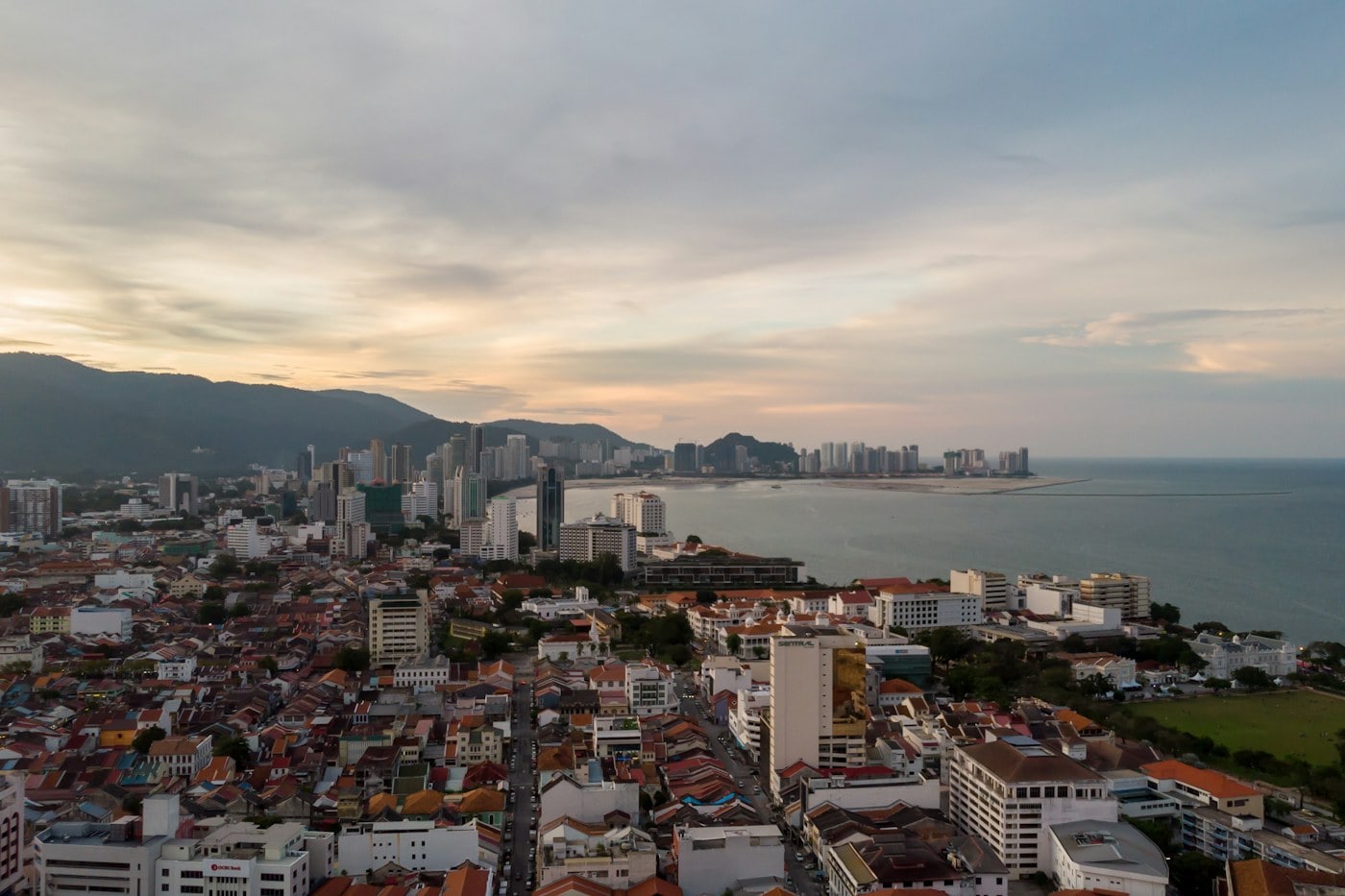
Follow Penang’s shophouses, shared tables and living traditions through a food-focused stay that leaves room for the city itself.
50 thoughtful guides. Five ways to explore. Find your next beginning.