A Summer Cabin Stay in Finnish Lakeland
Plan for simple days of water, woods and self-catering, with enough practical preparation to make doing less feel easy.
Choose a cabin by access, not only the view
Finnish Lakeland covers a broad area with many different lakes and settlement patterns. A cabin near a town and one reached by a long final drive create different kinds of holiday. Decide how remote you want to be and how independently you can manage meals and transport. Check the exact arrival route, not only the nearest large town. A beautiful shoreline is more enjoyable when the practical arrangements fit the people staying beside it.
The Saimaa area and other parts of Finnish Lakeland contain varied combinations of open water, islands, woodland and settlements. Decide whether a nearby town matters for cafés, supplies or cultural outings. A remote shore may be attractive, but the drive to groceries becomes part of daily life if provisions are not planned. Check the actual final road, especially if arriving late, and ask for the recommended approach. A rental description’s nearest town can be a broad reference rather than a convenient shopping distance. If you will not have a car, confirm a realistic arrival and departure arrangement before reserving the cabin, not after choosing it from the photographs.
Read the equipment list carefully
Cabins differ in their facilities, even when their photographs suggest a similar experience. Water supply, indoor plumbing, cooking equipment, heating and bedding should all be clear before booking. Ask precise questions about anything essential to your comfort. A rustic stay can be delightful when chosen knowingly and frustrating when based on assumptions. The equipment list is part of the travel experience because it determines what you need to bring and how the days will work.
A listing may use the word cabin for anything from a fully equipped holiday house to a much simpler building. Confirm whether water is drinkable from the tap, how washing facilities work and whether the toilet is inside. Ask about bedding, towels and final cleaning so you can pack and budget accurately. If cooking is central to the stay, check for the appliances and utensils you actually need rather than assuming a kitchen label covers them. Connectivity can also differ from home. Clarify it if work or communication depends on it, then decide whether the arrangement suits the holiday. Rustic facilities are enjoyable when they are a deliberate choice.
Shop once with a simple plan
A cabin stay works well with straightforward meals and a realistic food supply. Check the distance to groceries and buy enough for the first days without filling the kitchen with things you will not use. Choose ingredients that can serve more than one meal and leave room for a town visit or café lunch. Food preparation should support the quiet rhythm of the stay, not become an elaborate project unless cooking is part of your pleasure.
Plan the first grocery stop around meals that share ingredients. Bread, vegetables, eggs or another preferred protein and a few staples can support several uncomplicated days. Check the refrigerator and freezer capacity before buying for a whole week. If the cabin is far from shops, keep one easy meal available for the arrival evening rather than expecting to cook elaborately after travel. A later town visit can replenish supplies and provide a change of scene. Ask the host how waste and recycling are handled; remote accommodation may require a different disposal routine from a city apartment. Clear food and storage arrangements help keep the kitchen pleasant throughout a shared stay.
Understand the shoreline you have booked
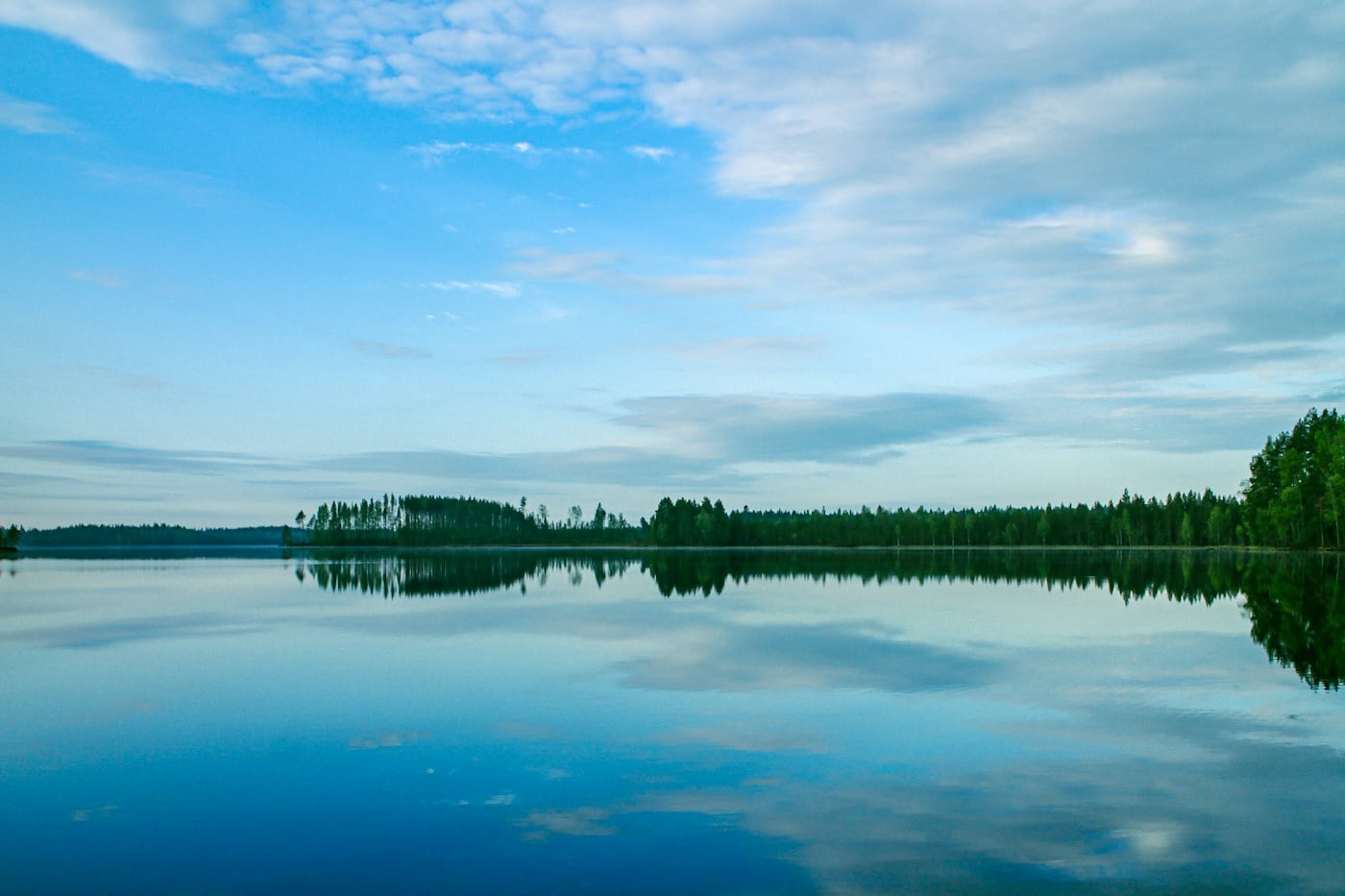
A cabin’s relationship with the lake matters as much as its interior. Ask whether the shore is private or shared, how the water is reached and whether there are steps, rocks or a jetty. Photographs taken from one angle may not show the practical access. Follow the host’s guidance about water use and any equipment. A peaceful view can be enjoyed without making swimming or boating an obligatory part of every day.
A shore described as private may still have a steep approach, soft ground or a jetty rather than a gradual beach. Ask for details if easy water access matters. On arrival, look at the route in daylight and note where surfaces become slippery. If a rowing boat is included, confirm the instructions, appropriate equipment and the area in which the host expects it to be used. Do not treat a calm-looking lake as a reason to improvise a long crossing. Remaining close to the cabin or choosing a land-based afternoon may be the more comfortable option. The view can be enjoyed from a seat without any requirement to enter the water.
Let the sauna have its own pace
A sauna is a feature of many Finnish cabin stays, but the type and operating arrangements vary. Ask the host how the specific sauna is used, especially if it is wood-heated. Understand preparation, ventilation, cleaning and any rules for water or fuel. The experience should be comfortable rather than a test of endurance. There is no need to copy someone else’s routine. A quiet rest afterward can be as much a part of the evening as the sauna itself.
A wood-heated sauna involves preparation that differs from switching on an electric unit. The host should explain the specific stove, fuel, ventilation and cleaning routine. Ask what must be done afterward, including how ashes or equipment are handled, rather than learning by trial and error. If the sauna is separate from the main cabin, check the path and lighting before the evening. Towels, water and a comfortable place to rest can be prepared first. The activity need not include a cold-water dip, and another guest’s preferred routine is not a rule. Use the space in the way the property permits and stop whenever you feel ready.
Walk a known route before exploring farther
Woodland and lakeside paths can look inviting while providing few obvious landmarks. Start with a clearly described local walk and understand how to return. Carry what you need and keep a map available rather than relying entirely on a faint track. Respect private yards and any posted restrictions. The pleasure of a forest walk comes from attention to its changing textures, not from covering a large distance or finding the most isolated place possible.
A path near the cabin may be a public recreational route, a forestry track or an access way to another property. Ask which is appropriate before setting out. Begin with a route that has clear landmarks and a reliable return, especially where the woodland makes turns look similar. An official local trail can provide a better introduction than following a faint line from the shore. Keep distance and daylight in proportion to your experience, even during long summer evenings. If you want a longer outing, choose it separately with current route information and suitable supplies. The cabin’s quiet setting should not encourage assumptions that every surrounding track leads safely back.
Use long light without exhausting yourself
Summer evenings can remain bright well beyond the hour at which many visitors expect darkness. This can make a late walk or a quiet lakeside pause appealing, but it can also encourage days that never seem to end. Keep a rhythm that leaves you rested. If darkness matters for sleep, ask about curtains or bring an appropriate eye covering. There is no obligation to use every hour of available light for activity.
The long summer light changes the feel of the evening meal and the hours afterward. A short walk or lakeside pause may happen later than usual without feeling like a night outing, but fatigue still matters. Set a comfortable bedtime rather than waiting for darkness that may not arrive in the way you expect. Bedroom curtains or an eye covering can help if light disturbs sleep. Shared groups may also need to agree on quiet hours, since one person’s late reading or sauna routine can affect another’s rest. A cabin holiday works better when the freedom of the long day is balanced with consideration for the people sharing the space.
How much of the week to plan
A week in a cabin needs fewer fixed activities than a week of city travel. Settle arrival, groceries and one or two possible outings, then leave the middle of the stay open. The daily pattern may become a short walk, a simple lunch and time beside the lake. That is not a temporary gap waiting to be filled; it can be the purpose of the holiday.
Companions should discuss the desired rhythm before booking. Someone expecting daily excursions may feel constrained by a remote address, while another person may resent repeated drives away from the cabin. Choose a base that can accommodate both preferences or agree on a few separate activities. Check whether there is more than one comfortable place to sit, especially during wet weather. Practical space matters when people spend several quiet days together. A thoughtfully selected cabin supports both shared meals and the option to read alone, making the slower pace feel generous rather than compulsory.
Make a rainy day part of the holiday
Rain can turn a cabin into the center of the trip rather than a place to return after outings. Bring a book, a simple game or another quiet activity that does not depend on perfect weather. A nearby town can provide a change of scene if the stay is long, but there is no need to drive away at the first grey sky. The lake’s changing surface can be worth watching from a comfortable dry seat.
A wet day is easier when the cabin has enough room for everyone to sit comfortably without occupying the same small table. Bring reading or quiet activities that suit the people staying, and check whether an outing to a nearby town is practical if the weather persists. Do not rely on outdoor cooking as the only meal plan unless the facilities support it in rain. A covered view of the water can still be rewarding as the surface and light change. Before the final day, follow the property’s cleaning and waste instructions and pack what is no longer needed. This leaves time for one last simple breakfast instead of turning departure into an unfamiliar list of chores.