Vancouver Island at the Water’s Edge
Vancouver Island is far larger than a quick glance at a coastal map may suggest. Its shorelines range from urban waterfronts to exposed Pacific beaches, with forests and long roads between them.
A journey with room to notice
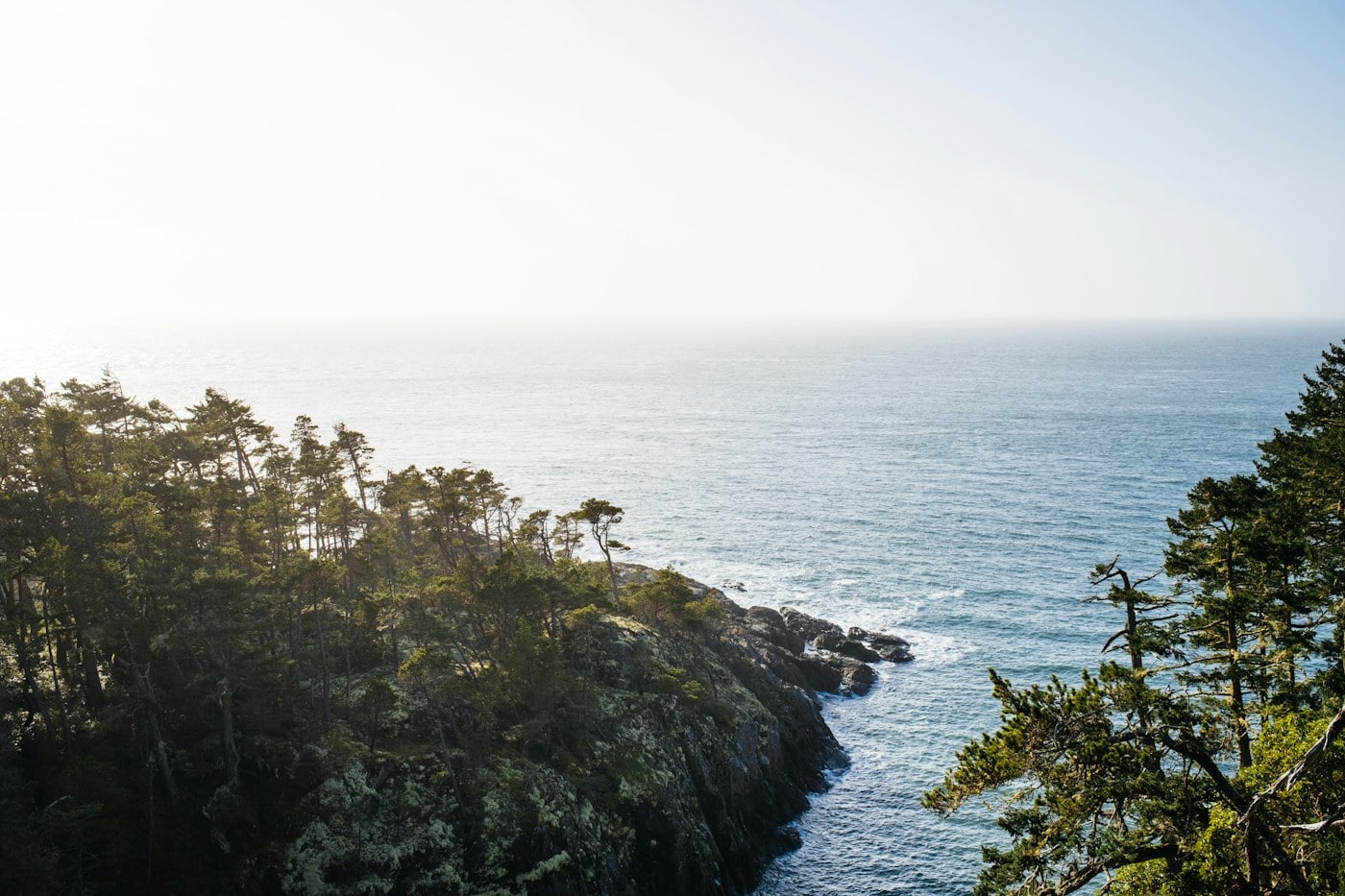
Vancouver Island is far larger than a quick glance at a coastal map may suggest. Its shorelines range from urban waterfronts to exposed Pacific beaches, with forests and long roads between them. A good walking-focused visit chooses a region rather than trying to connect every famous coast. The reward is time to notice the difference between an estuary path, a rocky headland, and a broad beach under a moving sky.
Decide which coast matters most
Victoria and the southern island, the east coast near the Strait of Georgia, and the Pacific side around Tofino and Ucluelet support different trips. Choose based on the experience you want and the time available for transfers. A journey that includes both southern urban walks and the west coast needs enough days to absorb the travel between them without sacrificing the walking itself.
Look at a sample transfer before deciding how many regions to include. The west-coast journey is not a minor detour from a southern city stay, and repeated long drives reduce the time available for shoreline walks. Choose overnight bases that support the routes you actually want. If the days are limited, a focused southern or Pacific-coast visit can still provide variety. The island’s size becomes an advantage when it encourages a future return, rather than a challenge that must be solved by covering everything now.
Use Victoria as a walking city
Victoria offers waterfront paths and neighborhoods that can provide a gentle beginning or end to the trip. The Inner Harbour is a natural orientation point, but a longer walk can move beyond the central visitor area. Follow public routes, pause in appropriate open spaces, and allow time for a meal. The city is worth experiencing as a place rather than simply a transfer gateway.
An urban waterfront walk can be adjusted to the day without losing its purpose. Begin at a recognizable point, follow a public route for a comfortable distance, and allow the return to include a neighborhood meal or cultural stop. Keep clear of working marine areas and respect signs where paths change. Victoria offers a useful contrast to the more exposed shorelines elsewhere on the island. Its value is not diminished by being accessible; an easy day can provide the energy and orientation needed for the next stage.
Let the west-coast journey take time
The road toward Tofino and Ucluelet is a substantial part of a west-coast visit. Check current road conditions and plan the transfer without a demanding walk immediately afterward. Stop only where access is appropriate, and arrange an arrival that leaves time to settle in. A distant beach becomes more enjoyable when reaching it has not exhausted the day.
Treat the cross-island journey as a travel day with one or two planned pauses. Check current road information and avoid relying on an optimistic navigation estimate when arranging a fixed activity after arrival. Ask the accommodation about the approach and practical evening needs. If the day runs long, reduce optional stops rather than trying to regain time. Reaching the Pacific coast with enough energy for a short familiarization walk can be a better beginning than arriving late with an ambitious outing still supposedly ahead.
Choose a permitted Pacific Rim outing
Pacific Rim National Park Reserve offers marked routes and coastal access with specific local guidance. Consult the official information for the exact place you intend to visit, including closures, wildlife advice, and tide-related concerns. A beach walk should not extend around a headland or across a channel on the assumption that the return will remain possible. Respect posted boundaries even when the shore looks open.
A park outing needs the information for its exact access point and route. Beach names and broad regional descriptions are not enough to assess tides, closures, or wildlife considerations. Read the current Parks Canada guidance and follow notices on arrival. Keep the return route conservative, especially around channels or headlands. A broad beach can be enjoyed without seeking its farthest edge. The strongest coastal memory may come from a manageable section where there is time to notice the forest line, driftwood, and changing ocean light.
Look closely on a short forest walk
A modest forest path can reveal texture and scale that disappear on a rushed drive. Notice fallen wood, the structure of the canopy, and the way a permitted boardwalk or trail moves through wet ground. Stay on the route rather than stepping into vegetation for a photograph. Do not collect natural objects or feed wildlife. Observation needs very little equipment when the pace is slow.
Forest observation rewards small shifts in attention. Instead of focusing only on the height of trees, look at how different surfaces hold moisture and how fallen wood becomes part of the living setting. Use the permitted route to vary your view rather than stepping onto sensitive ground. Keep voices and movement considerate around other visitors and wildlife. A short marked walk can be a complete experience when it has time to unfold, particularly after a long driving day or before another coastal outing that requires more effort.
Understand that shores have cultural meaning
Coastal places on Vancouver Island are connected to First Nations histories and continuing communities. Read appropriate local interpretation and respect access restrictions, cultural sites, and community guidance. A shoreline is not made empty by the absence of visible buildings. Where Indigenous-led visitor experiences are offered, follow their terms and allow the interpretation to shape how you understand the place.
Be specific in how you learn about local cultural context. Use interpretation from the relevant community or managing organization, and avoid assuming that information from one place represents every First Nation on the island. Respect photography rules and access restrictions. Where a community welcomes visitors through a particular experience, follow that arrangement rather than seeking an unofficial substitute. Thoughtfulness does not require claiming expertise; it begins with recognizing that the place has histories, relationships, and present-day meanings beyond the visitor’s brief stay.
Prepare for a different weather day
A west-coast plan needs an alternative that does not depend on exposed walking. A town visit, an interpretive center, or a short suitable path can provide a full day when conditions change. Choose that option before setting out and verify that it is operating. The coastline remains interesting in varied weather, but curiosity does not require taking an unsuitable route.
Choose a weather alternative that genuinely changes the exposure and demands of the day. A town walk, an interpretive visit, or a short protected route may work where a long open beach does not. Verify current access before leaving and keep the plan close to the base when conditions make driving less appealing. There is no need to spend the whole day monitoring the original outing in the hope of rescuing it. An alternative chosen with interest can become one of the stay’s most useful perspectives.
End with a nearby stretch of water
After several longer journeys, a final walk close to accommodation can be the most generous choice. Return to a viewpoint or harbor already known, notice a changed tide or different light, and leave room for the onward transfer. Vancouver Island does not need to be completed. A few well-understood places can make a stronger journey than a route designed to cover its entire coastline.
A last waterfront walk can gather the trip’s impressions without trying to summarize the entire island. Return to a public place you know, notice what has changed, and leave time for the practical onward journey. If the shore is busy, choose an appropriate quieter section instead of seeking access through private or restricted ground. Familiarity brings its own pleasure: the route is easy, the view has context, and the day can end without another major decision. That is a fitting conclusion to a journey built around attentive coastal walking.
A coast-focused plan with a clear return
For a first Vancouver Island journey, choose either a largely southern stay or a route that gives the Pacific side a substantial share of the available time. Combining Victoria with Tofino or Ucluelet can work when the transfer receives a realistic place in the itinerary. It works less well when the west coast is treated as a distant day trip attached to an already busy city visit. The island’s size asks for a decision about emphasis, and making that decision early gives the chosen coast more room.
Within the Pacific portion, alternate a marked forest walk with a suitable beach or waterfront outing. Consult Parks Canada and relevant local information for the exact routes, including tides, wildlife guidance, closures, and access. Town time can provide a useful interval when conditions discourage exposed walking. Keep cultural interpretation connected to the particular place and community rather than using a single broad description for the whole island. A considerate visit acknowledges that the shore has ongoing meanings and uses beyond the scenery that initially attracted the traveler.
Read the final stage backward from the onward transport and give the road journey enough margin. Then choose a modest last walk near the base. A familiar harbor or public beach can hold the accumulated context of the trip: forest behind the shore, the character of a town, and the practical scale of moving between them. There is no need to add another remote destination at the end. Leaving parts of Vancouver Island for a later visit allows the places included now to remain distinct and properly experienced rather than hurried points on an oversized route.
Keep the national park reserve’s different areas distinct when reading information. A beach outing in the Long Beach area is not the same undertaking as a backcountry route on the West Coast Trail or a boat-based visit elsewhere. Use the page and guidance for the specific destination. The shared park name should not blur the substantial differences in access, preparation, and the kind of day involved.