Bangkok Along the River, One Neighborhood at a Time
Use the Chao Phraya as a route through food streets, old trading quarters and quieter pauses beyond a rushed landmark circuit.
Let the river organize the day
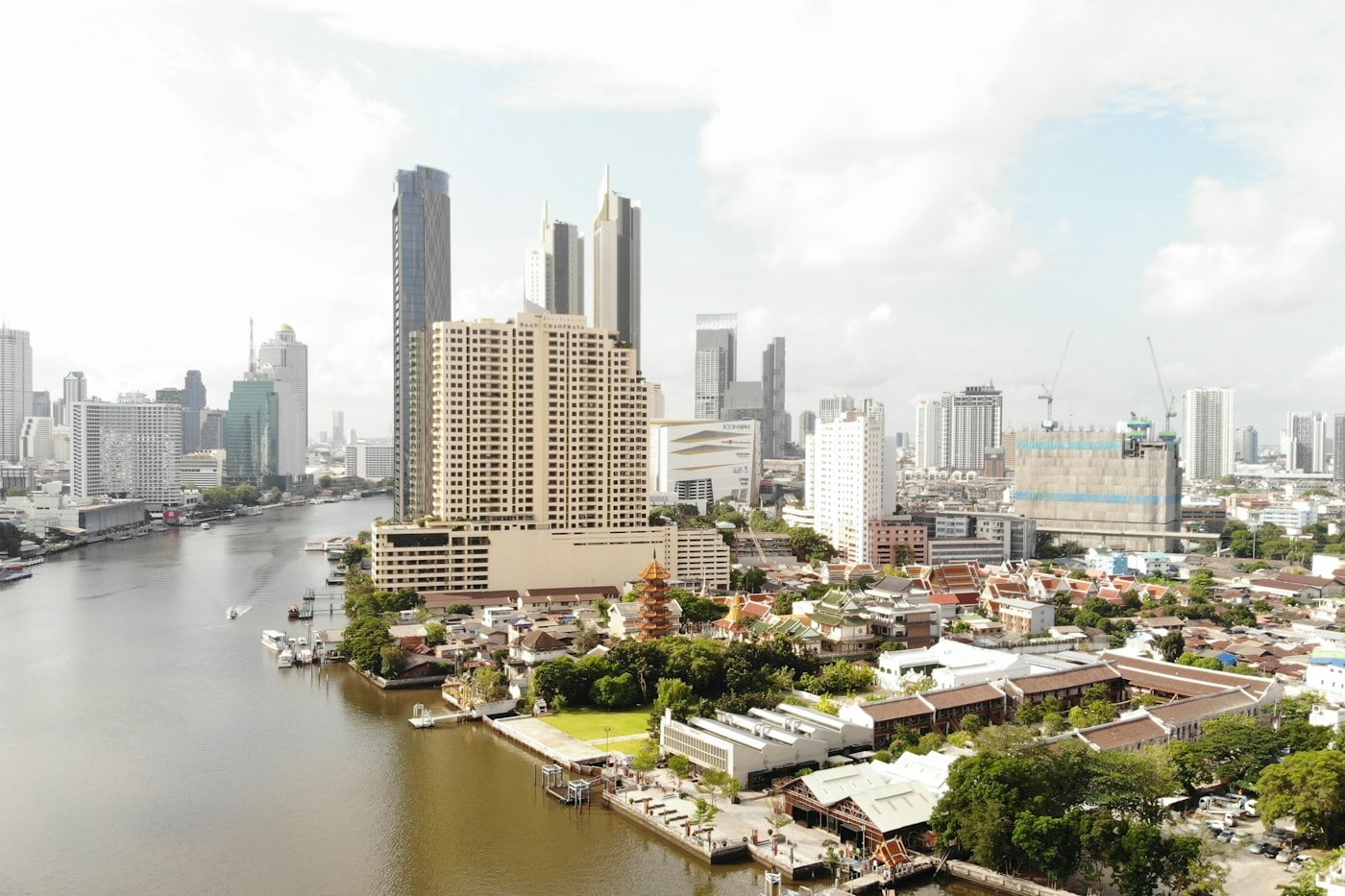
The Chao Phraya can make a large city feel more legible, but river travel still needs planning. Piers serve different routes and services, and a boat heading in the right direction may not stop where you expect. Choose two neighborhoods connected by a practical river journey instead of treating every waterfront landmark as one continuous walk. Check the current operator information and read signs at the pier. The time spent waiting is part of the journey, not a planning failure.
Distinguish between the Chao Phraya’s public transport services, tourist-oriented boats and cross-river ferries. They solve different journeys. A cross-river hop can be brief yet still require finding the correct landing, while a longer north-south service may pass a useful destination without stopping there. Keep the destination’s pier name available and check it against the operator’s current map. Boats and piers can move relative to each other, so board only when directed and keep a hand free. If you are traveling with someone who finds the boarding step difficult, choose a route with an appropriate alternative rather than discovering the problem at the water’s edge.
Give Talat Noi more than a photo stop
Talat Noi’s lanes connect old shophouses, shrines, repair workshops and newer cafés near the river. The neighborhood is often photographed for its textures, but it remains a working place. Step aside for carts and motorbikes, and avoid turning someone’s doorway into a portrait backdrop. A slow loop can include a café without making coffee the only reason to visit. Look for the relationship between trades, domestic spaces and access to the waterfront.
Talat Noi can be linked with the broader riverside trading district around Charoen Krung, but a long road walk is not automatically the most pleasant connection in heat. Keep the neighborhood loop small enough to enjoy the lanes. The repair businesses and parts stores explain some of the textures that appear in visitor photographs; they are not props placed among cafés. If a shopfront is active, give workers space to carry materials. An open cultural venue or café can provide the opportunity to look from inside without entering a private workshop. Check where the route returns to a main street before turning into a narrow passage that may end at a home or service area.
Approach Yaowarat with a meal plan
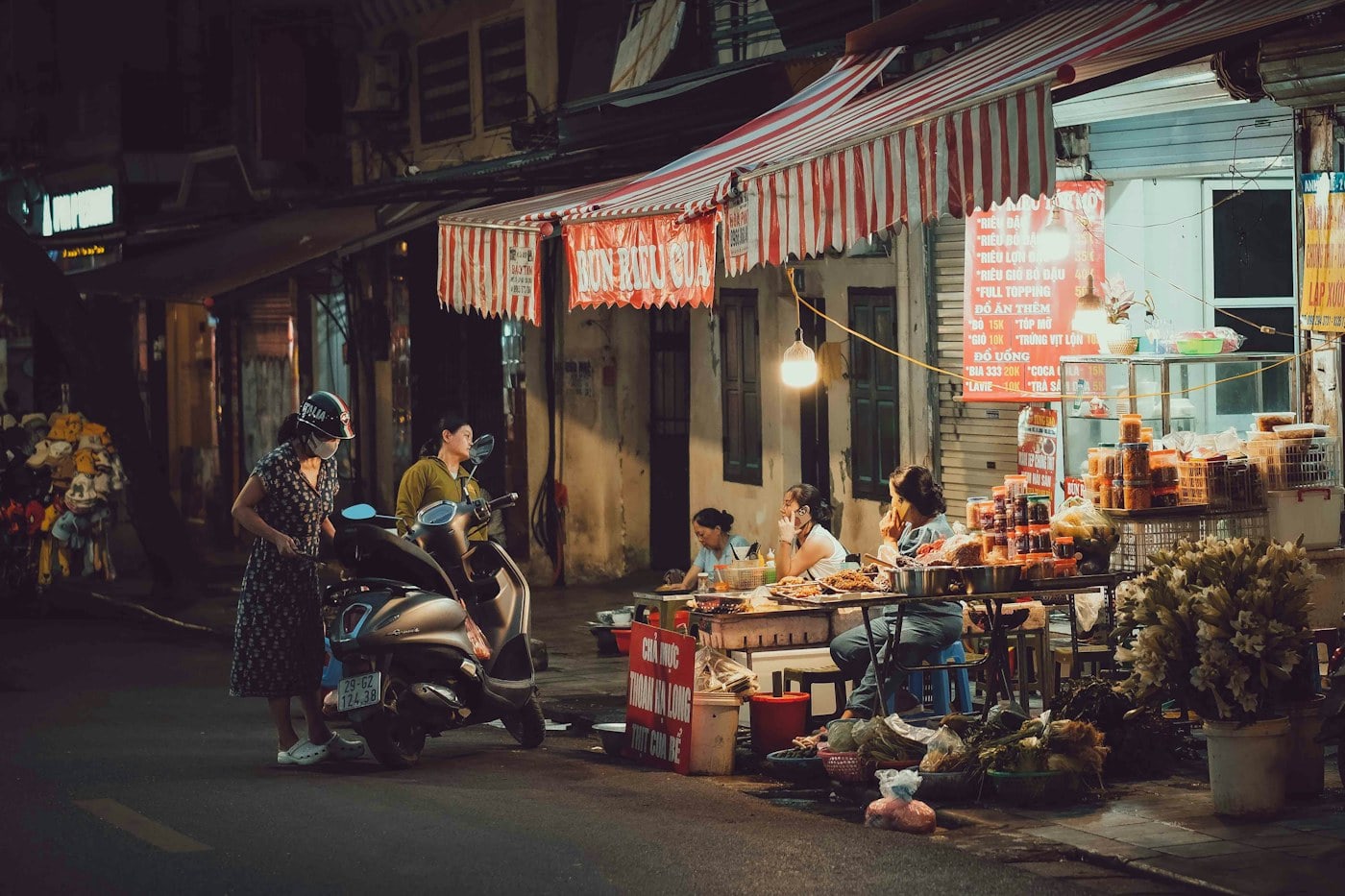
Bangkok’s Chinatown spreads beyond the bright main road of Yaowarat into market lanes and smaller streets. Its food businesses differ in hours and specialties, so a vague plan to eat everything can become exhausting. Pick a dish or type of meal, then allow the surrounding streets to provide context. Queues may be for particular stalls rather than entire shops. Observe ordering and seating before joining, and ask concise questions when staff are busy.
Yaowarat Road and the smaller lanes around it offer different experiences. The bright main road is easy to identify, but a daytime market walk may be more revealing than a second evening spent following lights. Some businesses focus on ingredients, others on prepared food, and opening patterns differ. Choose a principal meal and leave extra snacks optional. A dish containing noodles may still use seafood stock, fish sauce or meat-based toppings, so explain dietary needs plainly. If a stall has no seating, eat where the vendor directs rather than occupying a neighboring business’s tables. Keep the return route in mind, since walking a little farther into the market can make a different transport point more convenient.
Find a quieter view across the water
Crossing the river can change the city’s scale. The west-bank area around Kudi Chin has a distinctive history and religious landscape, with small lanes and community institutions. It should be visited as a neighborhood, with appropriate respect around worship and homes. A modest walk here can provide contrast to the intensity of a major commercial street. Check opening arrangements for any specific community museum or interior rather than assuming it will be accessible on arrival.
Kudi Chin is associated with the area around Santa Cruz Church and the layered history of communities on the west bank. It offers a different perspective from a circuit built only around large temples and shopping streets. Follow public lanes, look for clearly open community venues and avoid turning quiet residential space into a group photo session. The district can be combined with a nearby river crossing, but the exact pier connection should be checked in advance. Treat any local food purchase as a normal transaction rather than expecting a demonstration. A small bakery or café may provide context if it welcomes questions, while a closed gate should simply remain a closed gate.
Separate temple visits from snack grazing
A temple visit deserves a different pace and attention from a food crawl. If you include a major riverside temple, check its official visiting information and clothing requirements before setting out. Put food away, keep voices low where appropriate and pay attention to areas reserved for worship. Architecture is easier to appreciate when you are not trying to eat, photograph and navigate simultaneously. One considered visit is usually more rewarding than several rushed entries.
Wat Arun and Wat Pho illustrate why nearby-looking riverside sites should not be treated as one continuous visit. They are on opposite sides of the water and each has its own access, clothing expectations and internal scale. Choose one as the main focus and use the surrounding area for the rest of the day. If a second is important, allow a real meal and transfer interval rather than rushing across the river. Within a temple compound, decorative detail can be abundant; select a few features to study instead of photographing every surface. Follow current signs carefully, since some areas may be open to worshippers under different conditions from those for general visitors.
Use indoor pauses intelligently
Bangkok’s heat, rain and traffic can change a walk quickly. An indoor lunch, museum or café can divide the day into manageable sections. Choose pauses near the route rather than crossing the city for a fashionable venue. A comfortable seat gives time to understand what you have seen and to check the next transport step. Avoid planning every pause as another expensive purchase; public cultural venues and appropriate waiting areas can also help structure a day.
Charoen Krung’s mix of older commercial buildings and newer cultural uses can provide an indoor counterpoint to a hot riverside day. Choose a gallery, museum or café whose opening information you can confirm, and use it to anchor a short walk rather than an all-day march. Not every creative venue is a public drop-in space, and an appealing facade does not guarantee access. If heavy rain interrupts the route, wait somewhere suitable before attempting a longer transfer. Flooded or slippery streets can change the practical walking conditions quickly. Keep the next destination nearby enough that waiting out a shower does not jeopardize a fixed booking on the other side of the city.
Order a meal with balance
A Thai meal often makes more sense through contrast than through a collection of famous dishes. Rice, vegetables, soups and shared plates can create a satisfying table without every dish being rich or intensely seasoned. Ask what serves well for your group size and communicate preferences simply. Menus vary, and not every kitchen offers the same range. A neighborhood restaurant with a small clear menu may be a better fit than a long list assembled for every possible visitor.
For a shared table, combine dishes with different roles rather than ordering several versions of the same rich preparation. A soup, a vegetable dish and something to eat with rice can create a more comfortable meal than a collection chosen only for fame. At a single-dish shop, the sensible choice is often the specialty rather than a demand for a full restaurant menu. Ask what the portion includes before ordering additional plates. Chili, fish sauce, dried seafood and nuts can appear in ways that are not visible, so ingredient questions matter. If companions have very different preferences, a food hall or cluster of separate vendors may offer more flexibility than a small specialist kitchen.
A river plan that survives a missed boat
A robust Bangkok river day needs only a few fixed points: a starting pier, a principal neighborhood and a way home. Put the essential cultural stop before the most flexible meal so delays do not threaten a timed visit. Keep the names of places in a form you can show rather than relying entirely on pronunciation. A saved map is useful when the streets are busy and stopping repeatedly becomes awkward.
If a pier is crowded or you miss a service, the day should still have value where you are. A nearby café, public walk or food stop can absorb waiting time without turning it into frustration. This is another reason to choose connected neighborhoods instead of a long string of isolated sights. When traveling with others, agree on a clear meeting place before separating in a market or boarding area. The river gives the day coherence, but the enjoyment comes from the time on land as much as the movement between piers.
End the river day before it becomes a marathon
Evening light can make the waterfront appealing, but a calm ending depends on knowing how to return. River services, road traffic and the distance from a pier to your accommodation all matter. Leave the final meal near a reliable transport route. The best Bangkok day need not cover the most territory. A few connected neighborhoods, understood with patience, provide a stronger impression than a chain of disconnected stops seen from the back of a car.
Before the last river trip, compare the remaining service options with the route from the arrival pier to your accommodation. A landing that looks close on the map may still require a substantial walk through busy streets. Do not leave the final meal dependent on catching a particular last boat unless you have checked the current timetable and an alternative. A road journey may be slower than expected when traffic is heavy, so the backup should be plausible rather than merely theoretical. Finish near a known connection and keep the name or address of your accommodation accessible. This lets the final stretch remain a pleasant part of the evening rather than an improvised navigation exercise.