Hanoi through Its Everyday Food Streets
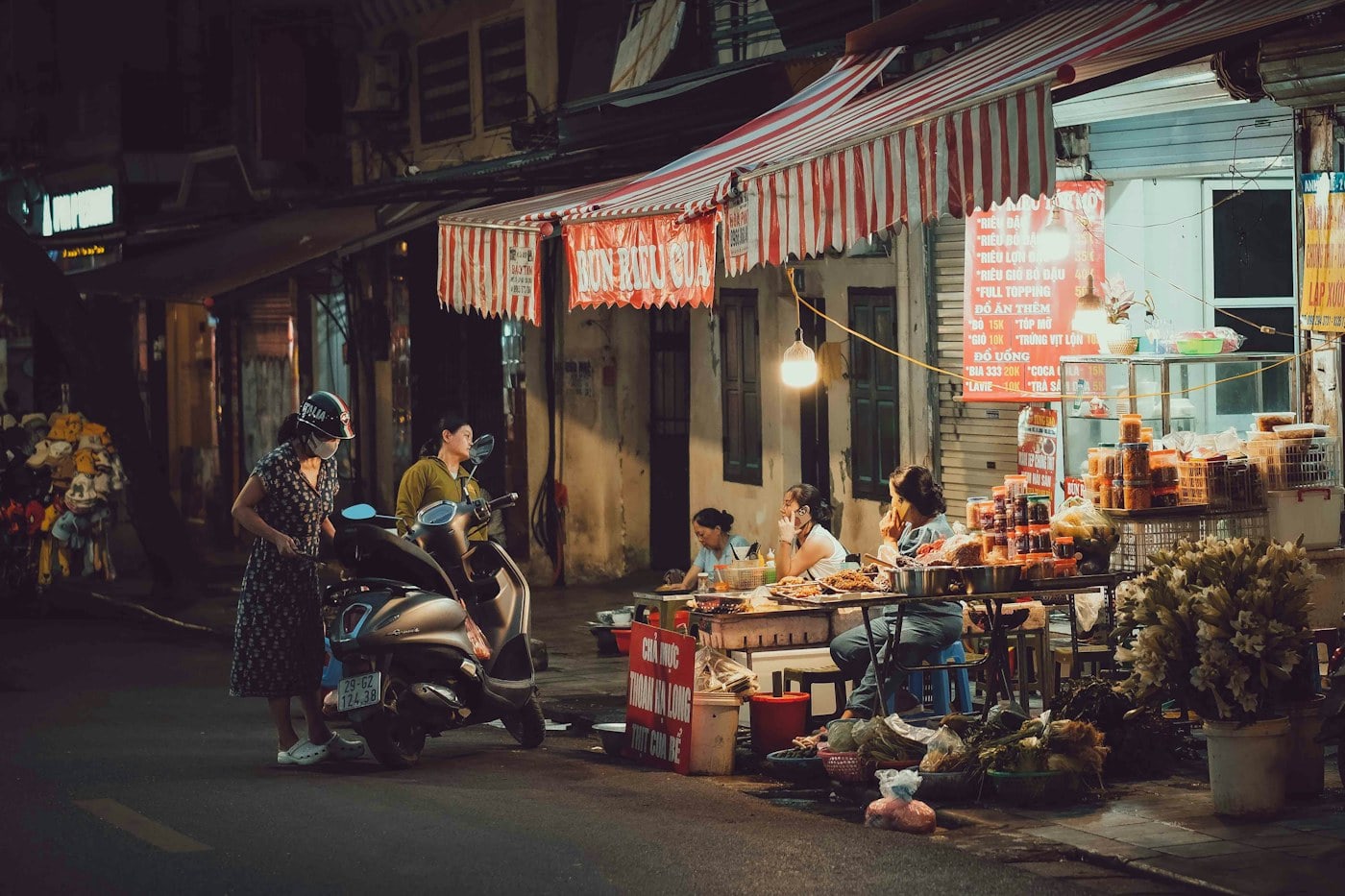
Hanoi’s food culture is closely tied to the shape of the street. A small counter, a few stools, a market lane, and the changing rhythm of the day can matter as much as a famous dish.
A journey with room to notice
Hanoi’s food culture is closely tied to the shape of the street. A small counter, a few stools, a market lane, and the changing rhythm of the day can matter as much as a famous dish. A thoughtful visit does not need to become a competition to eat as widely as possible. Choose a few meals with care, observe how a place works, and leave time to understand the neighborhood between them.
Begin with a neighborhood walk
The Old Quarter is a useful starting point, but its narrow streets require attention to movement and working space. Walk a manageable area, step aside before checking a map, and avoid blocking shop entrances. A first circuit without a fixed food target can reveal where breakfast, deliveries, and everyday shopping take place. The neighborhood becomes easier to read when you stop treating every lane as an attraction.
Before sitting down anywhere, observe how the place operates. Where do people order, where is payment handled, and which seats are actually available? A few moments of attention can prevent an awkward interruption to a busy service. Keep your belongings close without blocking movement, and step out of the flow when consulting a map. The Old Quarter becomes less overwhelming when the first aim is understanding a few streets, not locating every recommended dish before the morning ends. A calm orientation can improve all the meals that follow.
Choose one breakfast with attention
Phở is a familiar introduction, but a bowl is more interesting when you notice the broth, noodles, herbs, and the way the meal is served. Order what the place prepares rather than expecting a broad menu. Keep your questions simple and patient when language is limited. A focused breakfast leaves room to enjoy a later meal instead of turning the morning into a series of unfinished dishes.
A specialist breakfast place may offer fewer choices than a broad restaurant menu, which can make ordering simpler once you understand the arrangement. Look at the menu or ask politely rather than guessing from neighboring bowls. If ingredients matter to you, clarify before ordering and choose elsewhere if communication is insufficient. Eat at your own pace while remaining aware of the shared setting. The value of the meal lies in the preparation and the surrounding rhythm, not in claiming to have located the city’s single definitive bowl.
Understand the shape of bún chả
Bún chả brings several components to the table rather than a single combined bowl. Take time to see how they are presented, and ask if you are unsure how to proceed. Avoid presenting one personal preference as the only correct version of a dish. A specialist place can offer a useful introduction because its work is concentrated, but the visit should still fit your own appetite and comfort.
With a meal served in several parts, let the presentation guide your attention. Notice the contrast of texture and temperature, and ask a brief question when you are unsure. Do not treat neighboring diners as an instructional performance or photograph their meals without permission. A good introduction can be modest and respectful. If the portion is substantial, allow it to stand as the main meal rather than ordering another full lunch immediately afterward because a second famous dish appears on the day’s list.
Use a market as more than a photo stop
A market such as Đồng Xuân and the streets around it can show the relationship between wholesale activity, retail shopping, and food. Stay clear of deliveries and ask before close photography. Not every area is arranged for leisurely browsing, so observe where it is appropriate to pause. Looking at ingredients can help connect a later meal to a wider everyday economy.
Markets have different working rhythms, so the appropriate way to visit depends on what is happening when you arrive. A delivery lane may not be a browsing lane, and a vendor’s busy counter is not an invitation to stop traffic for a picture. Look for a suitable place to pause and ask before entering a conversation. Ingredients and everyday purchases can be interesting without an elaborate tasting sequence. The market adds context to the food journey by showing the activity behind the dishes, not merely another place to consume them.
Take a café interval seriously
A café can provide a useful pause from street noise and a chance to look back over the morning. Hanoi is associated with distinctive coffee preparations, including egg coffee, but you do not need to order every variation. Choose something you actually want, read the menu, and ask about ingredients where necessary. The pause is part of the day’s rhythm rather than a reward for completing a checklist.
Choose a café for the interval you need. A quiet seat, a clear menu, and a convenient route may matter more than finding a heavily photographed interior. Distinctive preparations can be worth trying when their ingredients suit you, but curiosity does not require ordering something you do not want. Use the pause to decide what the afternoon needs: another walk, a cultural stop, or simply less movement. A food-focused day benefits from gaps, because appetite and attention both become less useful when everything is compressed together.
Balance eating with a lakeside walk
Hoàn Kiếm Lake offers a different scale from the closest market streets. A walk around public lakeside areas can connect food stops with time to observe the city more broadly. Follow current pedestrian arrangements and be considerate around people exercising, meeting friends, or resting. The lake is not simply an empty scenic interval; it is an important everyday public space.
A lakeside circuit helps connect the close scale of the food streets with a broader public setting. Walk on the routes open at the time and leave room for people using the space for ordinary recreation. You do not need a separate activity at every point around the water. A brief sit in an appropriate place can be enough. The change of pace also gives you a chance to reconsider the next meal honestly: perhaps a smaller order or a later dinner would suit the day better than the original plan.
Order thoughtfully and communicate clearly
A short menu, unfamiliar ingredients, and a busy counter can make clear communication valuable. Ask about ingredients that matter to you, and choose a different place if your needs cannot be understood. Do not assume a dish is suitable based only on its English name or a photograph. Order a manageable amount and treat staff and neighboring diners with the same consideration you would expect at home.
Use straightforward questions and avoid assuming that a busy food counter can accommodate every request. Written information can help, but it does not replace confirmation when a particular ingredient is important. If you cannot establish what you need to know, select a different option without turning the exchange into a confrontation. Be equally considerate about money, seating, and photographs. Clear, patient behavior makes the interaction easier for everyone and helps keep the meal focused on enjoyment rather than uncertainty or the pressure to follow a recommendation exactly.
Return to a street you recognize
By the end of a stay, a familiar lane can be more revealing than another distant recommendation. You notice which shops open early, where people pause, and how the same corner changes through the day. Choose a final meal nearby and leave time to enjoy it. A food journey can end with a better understanding of one neighborhood rather than a claim to have tasted the entire city.
By returning to a familiar street, you can notice differences that were invisible at first. A breakfast counter may be closed, another stall may have opened, and the pattern of deliveries or pedestrians may have changed. These observations explain the city’s food culture more convincingly than a long catalogue of dishes. Choose the final meal according to appetite and the practical departure plan. There will always be something else to try, but leaving a city curious is better than leaving it exhausted by the attempt to eat everything.
A few meals, a clearer neighborhood
For a first food-focused Hanoi day, choose a breakfast and one main later meal, then let a neighborhood walk and a café interval connect them. Leave other tastes optional. The Old Quarter and Hoàn Kiếm Lake can provide a compact frame without requiring constant cross-city movement. A market visit can add context, but it does not need to become another large meal. This keeps appetite aligned with attention and reduces the tendency to keep ordering after the experience has become more about completion than enjoyment.
On a second day, revisit a familiar street at another time. You may see how the same space supports different businesses or meals through the day. Ask clear questions, respect shared seating and working areas, and keep photography considerate. If an ingredient matters to you, establish what you need to know before ordering rather than relying on a dish name or online photograph. A different choice is reasonable when communication is insufficient. Curiosity works best when it remains compatible with comfort and respectful interaction.
Before departure, select an easy final meal near a route you understand. Give it enough time and avoid turning it into a last attempt to taste everything omitted earlier. Hanoi’s food culture cannot be summarized in a short visit, and it does not need to be. A few specific observations can be more valuable: the shape of a breakfast service, the presentation of a meal in separate components, the movement around a market, or the changing use of a familiar lane. Those details remain meaningful because you had time to notice them.